
How Often Should You Replace Your Snowmobile Helmet?
Did you know that 85% of snowmobile helmet users wear them past their recommended replacement date?
Your snowmobile helmet is more than just gear – it’s your lifeline on the trails. While most riders know they should replace their helmets periodically, determining the right time isn’t always straightforward. Factors like impacts, weather exposure, and regular wear can significantly reduce a helmet’s protective capabilities long before visible damage appears.
Whether you’re a weekend trail rider or a competitive racer, knowing when to replace your snowmobile helmet could mean the difference between safety and serious injury. The good news? There are clear signs and scientific ways to determine if your helmet needs replacement.
Ready to learn how to protect yourself properly? Let’s explore the key indicators that tell you it’s time for a new snowmobile helmet.
Understanding Snowmobile Helmet Safety Standards
Safety standards for snowmobile helmets are crucial in ensuring rider protection across different conditions and impact scenarios. Understanding these standards helps you make informed decisions about helmet safety and replacement timing.
Current DOT and ECE Requirements
The Department of Transportation (DOT) and Economic Commission for Europe (ECE) maintain strict safety requirements for snowmobile helmets. DOT certification represents the basic safety standard, requiring helmets to withstand impacts at speeds of 11.6 mph on flat surfaces and 13.4 mph on hemispherical anvils. The newer ECE 22.06 standard, implemented in January 2024, includes more rigorous testing:
- Impact tests at varying speeds (13-18 mph)
- Maximum energy transfer limits of 180g for slow-speed and 275g for high-speed impacts
- Oblique impact testing at 45-degree angles
- Testing at 18 different random points on the helmet
Impact Protection Technologies
Modern snowmobile helmets incorporate several advanced protection technologies:
- Multi-Density EPS: Helmets use varying densities of Expanded Polystyrene to better manage both low and high-speed impacts.
- MIPS Technology: The Multi-Directional Impact Protection System includes a low-friction layer that allows slight rotation during impact, reducing rotational forces on the brain.
- Koroyd Protection: This engineered core consists of thousands of co-polymer tubes that effectively absorb energy in both high and low-speed impacts while allowing better airflow.
Certification Dating Systems
All certified snowmobile helmets must carry clear manufacturing date labels. The certification system includes:
- DOT certification stickers measuring 3¼ inches by ¾ inches with rounded corners .
- Unique serial numbers starting with alphabetic characters followed by six digits.
- ECE certification marks showing country-specific approval numbers.
It’s worth noting that since 2010, all Snell-certified helmets include barcodes for authenticity verification. The Snell Memorial Foundation maintains strict control over certification labels, actively monitoring against counterfeit certifications to ensure rider safety.
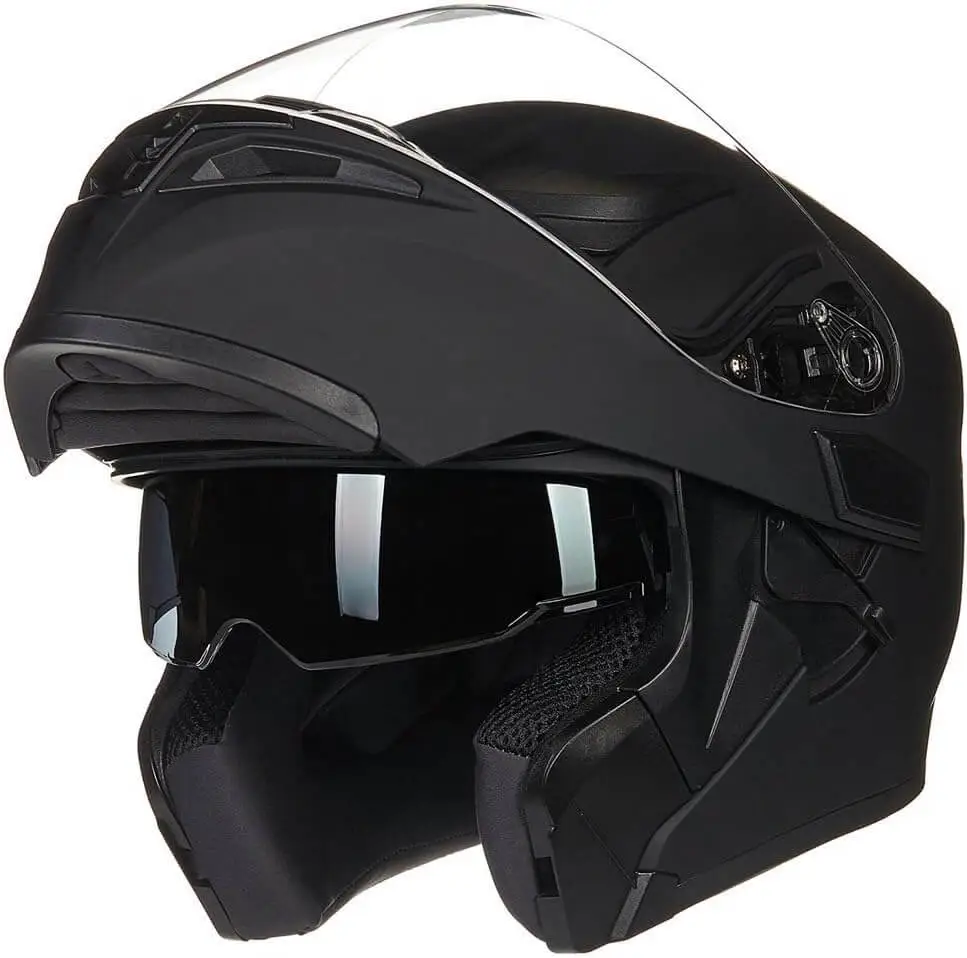
Critical Signs Your Helmet Needs Replacement
Protecting your head while snowmobiling requires more than just wearing a helmet – it demands regular assessment of your helmet’s condition. Understanding when to replace your snowmobile helmet is crucial for maintaining optimal protection on the trails.
Impact Damage Assessment
Any significant impact can compromise your helmet’s structural integrity, even if there’s no visible damage. Here are critical signs that indicate impact-related damage:
- Crushed or deformed EPS liner inside the helmet
- Cracks or fractures in the outer shell
- Dents or deep scratches on the surface
- Signs of stress marks around impact points
- Separation between inner and outer layers
After any crash, manufacturers strongly recommend professional inspection of your helmet. Even if the exterior appears intact, the internal protective structures may be compromised, reducing the helmet’s ability to protect you in future impacts.
Material Degradation Indicators
Over time, various factors can degrade your helmet’s protective capabilities. Regular exposure to common substances can break down helmet materials. The degradation process accelerates when helmets are exposed to:
- Hair oils and body fluids
- Cosmetic products
- Petroleum-based cleaners
- UV radiation
- Extreme temperature variations
Industry standards specify that helmets should be replaced every 3-5 years, regardless of visible wear 8. This timeline accounts for the natural degradation of resins, glues, and foam padding essential to the helmet’s protective function.
Comfort and Fit Changes
A proper fit is crucial for maximum protection. Changes in comfort or fit often indicate it’s time for replacement. Watch for these warning signs:
The retention system (chin strap) becomes loose or shows fraying. Comfort padding loses its firmness or shape, creating gaps between your head and the helmet. The helmet moves more freely on your head than when new. Interior padding shows signs of compression or breakdown.
Remember that the EPS liner inside your helmet is designed to absorb impact energy only once. If you notice any degradation in this critical component, consider it a clear signal that your helmet needs immediate replacement.
How Riding Conditions Affect Helmet Lifespan
The extreme conditions encountered during snowmobiling can significantly impact your helmet’s protective capabilities. Understanding how different riding environments affect your helmet’s lifespan is crucial for maintaining optimal safety on the trails.
Temperature Extremes Impact
Snowmobile helmets face unique challenges from temperature variations. The natural wear and tear from extreme conditions causes essential protective components to degrade over time. Here’s how temperature affects your helmet:
- Shell integrity compromises from freeze-thaw cycles
- Resin and glue degradation in extreme cold
- UV radiation damage during storage and use
- Structural stress from rapid temperature changes
- Compromised impact absorption properties
Moisture and Humidity Effects
Moisture poses a significant threat to helmet integrity, as exposure to environmental elements can degrade helmet materials and reduce their effectiveness in absorbing impacts. The combination of sweat, snow, and changing temperatures creates a challenging environment for helmet materials. Petroleum-based products, including common cleaners and fuels, may also degrade materials used in many helmets, potentially compromising performance.
Trail vs Racing Usage
Different riding styles impact helmet longevity in distinct ways. Racing environments typically expose helmets to more intense conditions compared to recreational trail riding. Consider these usage factors:
Trail Riding Racing
Moderate temperature variations Extreme temperature changes
Regular moisture exposure Intense physical demands
Normal wear patterns Accelerated material stress
Standard ventilation needs High-performance ventilation requirements
For trail riders, regular exposure to UV rays, moisture, and environmental elements can gradually degrade helmet materials. Racing puts additional stress on helmet components due to higher speeds and more intense physical demands. Manufacturers recommend replacing helmets every 3 to 5 years, but frequent use and exposure to extreme conditions may necessitate earlier replacement.
Important: Store your helmet in a cool, dry place away from direct sunlight to minimize premature aging. This practice helps maintain the structural integrity of both the outer shell and internal protective components, especially for helmets constructed with ABS materials, which offer better UV radiation resistance compared to other materials.
Performing a Professional Helmet Inspection
Regular professional inspection of your snowmobile helmet is essential for maintaining its protective capabilities. A comprehensive inspection involves multiple checkpoints and specific testing procedures to ensure your helmet continues to provide optimal protection.
Shell Integrity Check Points
Professional helmet inspection begins with a thorough examination of the outer shell. Qualified inspectors look for these critical indicators:
- Visible cracks or stress marks in the shell material
- Deformation or compressed areas from impacts
- Unauthorized modifications like paint or adhesives
- Integrity of vent closing systems
- Proper attachment of anti-intrusion meshes
- Secure mounting of accessory attachment points
The shell inspection should include both internal and external surfaces, as damage may not always be visible from the outside. Any signs of chemical exposure, burns, or unauthorized modifications can compromise the helmet’s protective capabilities.
Interior Foam Assessment
The expanded polystyrene (EPS) liner is crucial for impact protection and requires careful evaluation. Professional inspectors follow these steps:
- Remove interior padding to access the EPS liner
- Check for compression or deformation in the foam
- Verify the foam’s secure attachment to the outer shell
- Inspect for cracks, holes, or missing sections
- Evaluate the integrity of impact absorption zones
The foam liner should remain firmly attached to the outer shell, as any separation could indicate structural compromise. Inspectors pay special attention to areas where the polystyrene shell connects to the outer shell, as these connection points are critical for impact protection.
Strap and Retention System Testing
The retention system undergoes rigorous testing to ensure it can withstand impact forces and maintain proper helmet position. Professional inspection includes:
Test Component Inspection Points Critical Criteria
Chin Strap Stitching integrity, material wear No fraying or loose threads
Buckle System Closure mechanism, plastic components No cracks or deformation
Anchor Points Shell attachment security Firm connection to shell
Adjustment System Strap sliding mechanism Smooth operation without hindrance
Inspectors verify that the retention system can maintain proper tension and that all plastic components are free from cracks, holes, or deformation. The system must effectively secure the helmet during both normal use and potential impact scenarios.
Professional inspectors recommend comprehensive helmet evaluation every 12 months or after any exceptional event that might affect the helmet’s integrity. This regular assessment helps ensure your snowmobile helmet maintains its protective capabilities throughout its service life.
Modern Helmet Technology Advancements
Recent technological breakthroughs have revolutionized snowmobile helmet design, introducing innovations that significantly enhance rider safety and comfort. These advancements represent a quantum leap in protective gear technology.
New Safety Features Worth Upgrading For
The introduction of MIPS (Multi-directional Impact Protection System) technology marks a significant advancement in helmet safety. This revolutionary system allows the helmet’s shell to move independently from the head during impacts, reducing rotational forces that could affect the brain. Modern helmets also incorporate:
- Fidlock magnetic fastening systems for secure closure
- Dual-pane heating technology for enhanced visibility
- Advanced impact-disbursing qualities for superior protection
Material Improvements
The evolution of helmet materials has led to remarkable improvements in both protection and comfort. M-Forge composite construction offers up to 40% weight reduction compared to traditional materials, while maintaining superior impact protection. Consider these material innovations:
Material Type Key Benefits Performance Features
Carbon Fiber 3K Exceptional strength-to-weight ratio Hand lay-up construction
M-Forge Composite Improved cold weather performance VOC-Free manufacturing
Lightweight Polycarbonate Balance of durability and weight Enhanced impact resistance
The Carbon Fiber 3K variant represents the latest advancement in helmet construction, featuring a unique weave pattern that contributes to an even lighter shell without compromising strength.
Ventilation System Innovations
Modern ventilation technologies have addressed one of the most persistent challenges in snowmobile helmets – temperature and moisture control. The Venturi Venting System represents a breakthrough in airflow management, utilizing principles of fluid dynamics to create optimal ventilation. Key innovations include:
- Strategic placement of intake and exhaust vents
- Advanced Channeling Ventilation System for effective heat removal
- Humidity extractors for moisture management
- 40% larger chinbar intake for enhanced airflow
These ventilation improvements work in conjunction with integrated chin curtains that reduce cold air intrusion, while noise-canceling ear pads enhance the overall riding experience. The system’s effectiveness is particularly notable in extreme conditions, where it maintains clear visibility by preventing shield fogging through innovative dual-pane heating technology.
The integration of these technologies has resulted in helmets that not only provide superior protection but also offer unprecedented comfort and functionality. Modern snowmobile helmets now feature integrated communication systems, allowing riders to stay connected while maintaining focus on the trail ahead.
Conclusion
Snowmobile helmet safety demands careful attention and regular assessment. Modern technology offers excellent protection through advanced materials and innovative features, yet proper maintenance and timely replacement remain crucial for rider safety.
Your helmet serves as essential protective gear, requiring vigilant monitoring of impact damage, material degradation, and comfort changes. Safety standards like DOT and ECE certification provide baseline protection requirements, while proper inspection and maintenance help maximize your helmet’s protective capabilities.
Remember that riding conditions significantly affect helmet longevity. Regular professional inspections, combined with awareness of warning signs, help determine the right time for replacement. Most importantly, never compromise on safety – replace your helmet every 3-5 years or immediately after any significant impact, regardless of visible damage.
Smart riders prioritize their safety through proper helmet care and timely replacement. This investment protects not just your head but ensures peace of mind during every snowmobile adventure.