
Best Snowmobile Helmet Communication System
Snowmobiling is not just a sport; for many people, it is a lifestyle, a passion, and in some cases even a way of traveling through harsh winters. Whether you are cruising down a wide groomed trail, exploring untouched powder in the backcountry, or using your sled for work in rural areas, communication is one of the most critical aspects of staying safe and coordinated.
Unlike riding a motorcycle on paved roads, snowmobiling often takes place in remote, noisy, and unpredictable environments where hand signals can easily be missed, shouting is impossible through a helmet, and pulling out your phone is not only impractical but also unsafe in sub-zero temperatures.
That is why a helmet communication system is no longer considered a luxury add-on, but an essential piece of gear for anyone who takes snowmobiling seriously.
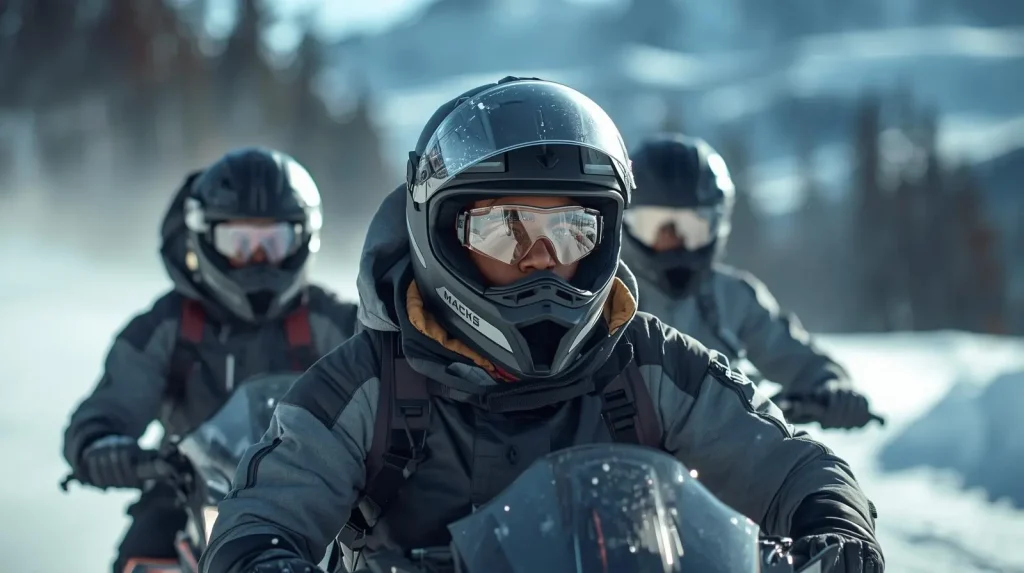
These systems allow riders to talk to one another in real time, receive turn-by-turn GPS directions without taking their eyes off the trail, stream music to make long rides more enjoyable, and even make emergency phone calls without having to stop or remove gloves. For riders who wear glasses, choosing the right helmet is equally important, since poor ventilation or an incompatible fit can result in fogging, headaches, or constant discomfort.
In this comprehensive guide, we will walk through the top helmet communication systems, explore which features matter most, provide installation and usage advice, and highlight five Amazon-available helmets that are specifically comfortable for riders who wear glasses.
Why You Need a Helmet Communication System
Snowmobiling is exhilarating, but the combination of speed, extreme weather, and varied terrain also makes it inherently risky. One misjudged turn or a moment of lost communication between group members can result in accidents, getting separated, or worse being stranded in dangerous conditions.
A helmet communication system directly addresses these risks by providing a constant line of audio between you and your group. This means you can call out sudden obstacles, warn about thin ice, or quickly let others know if you are stuck in deep powder. These moments matter, and having instant communication can prevent minor mishaps from turning into emergencies.
Beyond safety, there is also the element of convenience. Long tours can stretch for hours across multiple trails or backcountry routes. Having music in your helmet or the ability to chat casually with your group makes the ride more enjoyable and less mentally tiring.
It also allows leaders to coordinate group movements seamlessly without having to constantly stop to regroup. Riders who explore new areas will appreciate the ability to follow GPS voice prompts, avoiding the need to stop and check maps. In the modern snowmobiling world, a reliable communication system is as important as a warm jacket, a sturdy helmet, or a well-maintained machine.
What Makes a Great Snowmobile Helmet Communication System
Not all communication systems are created equal, and choosing the right one depends heavily on the type of riding you do. The most important factor is connection type and range. Bluetooth systems are simple, affordable, and work well for smaller groups that stay close together on groomed trails. However, they often struggle in backcountry conditions where riders spread out or obstacles block line of sight. This is where mesh networks shine, because mesh technology automatically reconnects riders when they drift in and out of range, maintaining group communication without requiring constant re-pairing.
Another critical feature is audio quality. Snowmobiles are loud machines, and when combined with the sound of wind, snow, and layered helmets, it creates a challenging audio environment. A great system uses noise-suppressing microphones and high-quality speakers that can deliver clear voices without distortion, even when riding at 50 or 60 miles per hour. Battery life is also essential, as extreme cold reduces run time significantly. A system that claims 15 hours of talk time in ideal conditions may only provide 8 to 10 in freezing temperatures. Look for models tested for winter sports specifically.
Finally, a snowmobile communication system must be easy to operate with gloves on. Riders cannot afford to fumble with tiny buttons or complex menus. Large tactile controls, intuitive jog dials, or voice commands make operation safer and smoother. Combine this with weatherproofing—at least IP65-rated for waterproofing and snow resistance—and you have a system designed for real-world winter conditions.
Top Communication Systems Riders Trust
Cardo Packtalk Edge / Bold
Cardo has built a strong reputation in both the motorcycle and snowmobile communities for producing communication systems that simply work. The Packtalk Edge and Bold models use mesh technology, which is a huge advantage for snowmobilers who ride in large groups or in terrain where line of sight cannot always be maintained. Riders drop in and out of range seamlessly, and the group network heals itself without interruption. Cardo also partners with JBL to deliver premium-quality speakers, so you are not only getting intercom clarity but also enjoyable music playback. Another standout feature is the voice command system, which recognizes natural language, meaning you can say “Hey Cardo, music on” without fumbling for buttons. Combined with excellent waterproofing, long-lasting batteries, and user-friendly apps, these models are among the best investments you can make.
Sena 50S / 30K
Sena is another heavyweight in the helmet comms industry, and many riders swear by them for snowmobiling. The Sena 50S uses mesh technology similar to Cardo, while older models like the 30K are still popular for Bluetooth intercom groups. What makes Sena particularly appealing is its jog-dial control, which is large, glove-friendly, and intuitive even for beginners. Sena units also excel at compatibility, meaning older and newer devices can often be paired together. Their sound quality is strong, their firmware updates keep systems reliable, and their durability in snow and cold has been proven by thousands of riders worldwide. If you want a product backed by years of testing and a strong reputation, Sena is always a safe choice.
UClear Motion Infinity
UClear takes a different approach by eliminating the traditional boom microphone. Instead, their Motion series places microphones inside the speakers themselves. This design reduces clutter inside the helmet and avoids issues with boom mics interfering with breath boxes or fog masks. Noise cancellation is impressive, and riders appreciate the sleek design and easy installation. While UClear is not as widely known as Cardo or Sena, those who use it often become loyal fans, especially glasses wearers who dislike having extra hardware pressed against their face.
Lexin B4FM / AXU
For budget-conscious riders, Lexin offers surprisingly capable systems. The B4FM and AXU are straightforward Bluetooth intercoms that allow group chats of 4 to 6 riders within modest ranges. While they lack the flexibility of mesh systems, they deliver consistent performance for smaller groups and cost a fraction of premium models. Audio is clear enough for conversations, battery life is decent, and installation is simple. If you are new to snowmobiling and want to test communication systems without spending hundreds of dollars, Lexin is a solid starting point.
EJEAS F6 Mesh
EJEAS is another affordable option that has gained traction in recent years. The F6 Mesh offers group communication up to 400 meters rider-to-rider and supports multiple users in a flexible mesh network. While it may not have the polish or premium features of Cardo and Sena, it provides excellent value for its price point, especially for riders who only snowmobile occasionally or want a backup system. It is also fully weather-sealed and designed with cold-weather operation in mind, which makes it practical for winter sports.
Rider Feedback From Communities
Specifications and brand claims are useful, but nothing replaces the value of real-world rider feedback. Forums like DooTalk and Reddit’s snowmobiling community are filled with discussions where riders share their experiences. Many snowmobilers report that Sena units are fantastic for trail riding because the sound quality is strong and connections remain stable as long as the group stays relatively close together. However, they also mention that in wide-open backcountry scenarios where riders spread out, radios or mesh systems become more reliable. Cardo Packtalk users frequently highlight how much easier it is to maintain group communication, since riders can drop out and rejoin without breaking the entire connection.
UClear riders praise the boomless mic system, noting that it works surprisingly well even in windy conditions, and eliminates the hassle of adjusting microphones inside helmets with breath boxes. Budget system users like Lexin and EJEAS note that while performance is not on par with premium systems, for casual rides or smaller groups they are perfectly functional. These perspectives are valuable because they highlight that no single system is perfect for everyone; the “best” system depends on the type of riding you do, the size of your group, and your budget.
Installation Tips
Installing a helmet communication system is not complicated, but doing it carefully ensures much better performance. Start with the speakers: these must be aligned precisely with your ear canals, as even a small misalignment will make voices sound quiet and muffled. Many helmets include recessed speaker pockets, but you may need to use the provided adhesive mounts for best positioning. Next, place the microphone as close to your lips as possible, ideally behind the breath box so that wind is directed away from it. Always use the foam cover to reduce noise.
Cable routing is another detail that matters. Take time to tuck wires under the helmet liner so they do not create pressure points against your head. Use small strips of tape or included clips to secure them in place. When mounting the main unit, adhesive pads work well on clean, warm helmet shells, while clamps are often better for modular helmets. After installation, set up a pairing routine with your group. This could be as simple as everyone turning on their units, pressing the intercom button for 5 seconds, and confirming with a short voice test. Doing this before each ride prevents confusion once you are already out on the trail.
Buying Guide: How to Choose
Choosing the right communication system involves evaluating both your helmet setup and your riding style. If your group is small and sticks to groomed trails, a strong Bluetooth unit may be all you need. On the other hand, if you often ride with five or more people or explore backcountry terrain, investing in a mesh system is worth it for the automatic re-linking and group flexibility.
Compatibility is crucial. Make sure your helmet has speaker pockets and enough space to mount the control unit. Glasses wearers need to prioritize helmets with roomy interiors, wide eye ports, and dual-pane or heated visors to prevent fogging. Always check that the communication unit can be operated with gloves, either through large physical buttons or reliable voice commands.
Weather resistance is non-negotiable. Look for at least IP65 waterproofing, though IP67 is preferable for snowmobiling. Battery life should be rated for 8–12 hours of talk time, but remember cold will reduce that, so plan to carry a small power bank and charging cable. Finally, balance budget and premium options. While Cardo and Sena offer the best overall performance, budget systems like Lexin or EJEAS may be perfectly adequate for occasional riders.
Best Helmets for Glasses Wearers (Amazon Picks)
1. ScorpionEXO AT950 Snow Helmet
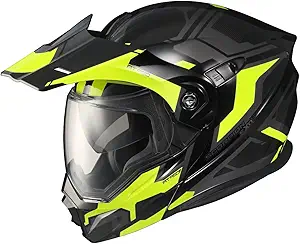
The ScorpionEXO AT950 is one of the most versatile helmets available for snowmobilers, particularly those who wear glasses. Its modular flip-up design makes it incredibly easy to put on and take off without removing your eyewear, which is a major advantage during rest stops or when you need to quickly talk to someone off the trail. The AT950 snow variants are sold with either dual-pane visors or electric heated shields, both of which are specifically designed to combat fogging in cold environments. Heated shields are the gold standard if you want uninterrupted clarity while wearing glasses, since they actively prevent condensation buildup even in humid or freezing conditions.
This helmet also comes with a breath deflector and chin curtain, which direct exhaled air downward and help maintain a sealed, warm interior environment. The wide eye-port offers excellent peripheral vision, making it safer for high-speed trail riding. Scorpion’s interior liner system is removable and washable, ensuring hygiene and comfort even after long rides. Many riders report that the helmet feels more like a motorcycle ADV helmet adapted for snow, meaning it works well for people who crossover between sports.
Pros: Heated shield option, wide eye-port, comfortable for glasses, modular convenience.
Cons: Slightly heavier than non-modular helmets, more expensive than budget models.
Best for: Riders who want maximum versatility and glasses-friendly comfort for both trail and backcountry use.
2. HJC C91 Snow Helmet (Dual Lens Shield)
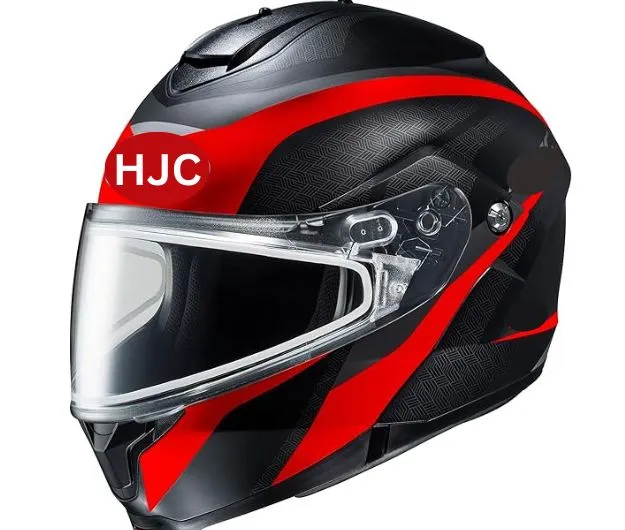
The HJC C91 is a favorite among snowmobilers looking for a balance between affordability, comfort, and glasses compatibility. It is a modular helmet, which means you can flip up the chin bar when needed, making it easy to put on and take off with glasses. The C91 Snow version comes equipped with a dual-lens visor that dramatically reduces fogging. Riders can also add a Pinlock insert for extra anti-fog protection, which is great if you often ride in highly variable conditions.
Inside, the C91 has a roomy fit with generous padding that accommodates eyeglasses without squeezing the temples. The drop-down internal sun visor is a major convenience feature, letting you quickly adjust to changing light conditions without swapping visors. Its lightweight polycarbonate shell reduces neck fatigue during long rides, while the ACS (Advanced Channeling Ventilation System) provides steady airflow to minimize fogging and overheating.
Pros: Affordable modular design, roomy interior, dual-lens visor, Pinlock-ready.
Cons: Ventilation is less robust than premium helmets; electric shield option may need to be purchased separately.
Best for: Trail riders and touring snowmobilers who want a comfortable, glasses-friendly helmet without overspending.
3. Castle X Mode Dual Sport SV Electric
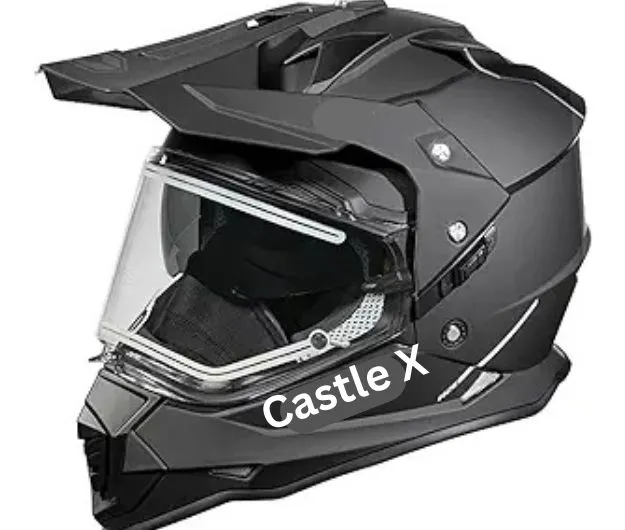
The Castle X Mode Dual Sport SV Electric helmet is built with winter riders in mind, and it shines when it comes to anti-fog performance. Unlike helmets that rely only on dual-lens visors, this one comes with a heated electric shield that plugs directly into your sled’s power system, keeping the visor crystal-clear in any weather. For glasses wearers, this feature is invaluable since it prevents fog buildup both on your visor and inside your lenses.
The dual-sport styling blends elements of motocross and touring helmets, offering both aggressive looks and strong functionality. Riders can use it with or without the peak visor, depending on preference. It also includes a breath box, chin curtain, and internal sun visor, all designed to enhance comfort during long winter rides. The interior is plush and removable for easy cleaning, while the aerodynamic shell design reduces wind drag.
Pros: Heated shield, internal sun visor, excellent anti-fog for glasses, versatile dual-sport design.
Cons: Requires power connection for heated shield, slightly bulkier than standard trail helmets.
Best for: Riders who frequently deal with fogging and want top-level clarity in all conditions.
4. Polaris Modular 1.0 Snow Helmet
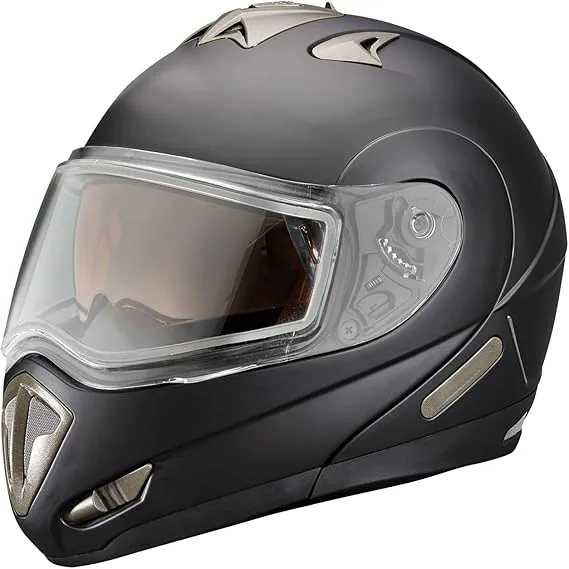
The Polaris Modular 1.0 is designed by a brand that knows snowmobiling better than most, and it shows in the thoughtful details of this helmet. The modular design is perfect for glasses wearers, allowing you to flip up the front for easy entry and exit. It includes a dual-pane anti-fog shield, which is essential for preventing condensation buildup in cold weather. Many riders appreciate how the visor seals securely, minimizing drafts and maintaining warmth inside.
Polaris also engineered this helmet with a spacious interior fit, making it comfortable for riders with larger frames or those wearing glasses. The shell construction is durable but relatively lightweight, which is important for long days on the trail. The styling is sleek, with color options that often match Polaris sleds, making it a natural choice for brand enthusiasts.
Pros: Modular design, dual-pane visor, roomy interior, Polaris brand consistency.
Cons: Limited to Polaris distribution; not as feature-rich as premium helmets.
Best for: Polaris riders or anyone who wants a straightforward, glasses-compatible snow helmet from a trusted brand.
5. ILM Modular Snowmobile Helmet
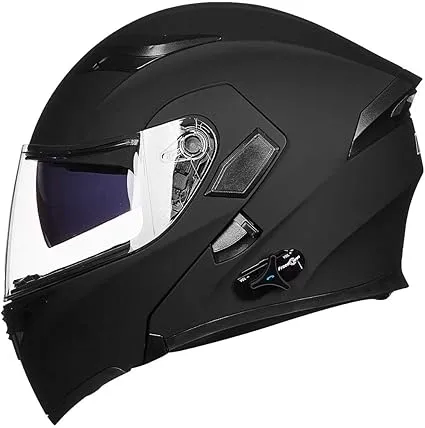
For riders on a tighter budget, the ILM Modular Snowmobile Helmet is a strong option that doesn’t compromise on key features. Many ILM snow variants are sold with heated or dual-pane visors, giving you reliable anti-fog protection even in cold, damp conditions. While it does not carry the same brand prestige as Scorpion or HJC, ILM has built a reputation for delivering solid value at an accessible price point.
The modular flip-up design once again benefits glasses wearers, since it allows you to put on and remove the helmet without hassle. The interior is comfortable, removable, and washable, while the ventilation system provides adequate airflow to reduce fogging. It also comes in multiple sizes and colors, making it easy to find a fit and style that suits your needs.
Pros: Affordable, heated or dual-pane shield options, modular design, comfortable interior.
Cons: Build quality is not as refined as premium helmets, visor seals may not be as tight.
Best for: Beginners or casual riders who want glasses-friendly features without overspending.
Step-by-Step Setup Checklist
Before each ride, run through a quick checklist to avoid communication breakdowns:
- Charge all devices overnight.
- Pair with your group while still at home or in the parking lot.
- Test microphones and speakers at idle.
- Pack a compact power bank and USB cable for mid-ride charging.
- If you wear glasses, apply anti-fog spray as a backup even if you have a heated shield.
Troubleshooting
Even with good equipment, issues can arise. If you experience static or dropouts, ensure riders maintain reasonable line of sight and check if your unit supports mesh for better stability. If the mic picks up wind noise, reposition it behind the breath deflector and double-check that the foam cover is in place. For foggy glasses, use heated visors, crack open the shield slightly during stops, and keep a microfiber cloth handy. If batteries fade quickly in cold weather, warm the unit in your pocket during breaks or recharge briefly with a power bank.
FAQs
Do motorcycle comms work for snowmobiles?
Yes. Most motorcycle communication systems are perfectly usable for snowmobiling, provided they are waterproof and tested in cold weather.
Bluetooth vs. mesh—which is better?
Bluetooth works fine for small, close groups. Mesh is better for larger or more spread-out groups because it allows seamless rejoining without re-pairing.
Are heated shields necessary for glasses wearers?
They are highly recommended. Dual-pane visors help, but heated shields are the most reliable way to prevent fogging.
Can different brands pair together?
Sometimes, but compatibility is limited. It is better for the group to standardize on one brand or supplement with phone-based group calls.
Final Recommendation
If you want a system that will serve you well in almost every scenario, go with a Cardo Packtalk Edge or Sena 50S. Both are proven, durable, and excellent for group communication. Pair this with a glasses-friendly modular helmet like the ScorpionEXO AT950 or HJC C91 Snow. This combination ensures reliable communication, comfort with eyewear, and maximum visibility thanks to anti-fog and heated visor technology.