
What is a Heated Snowmobile Helmet?
I’m excited to explore heated snowmobile helmets, a game-changer for winter sports fans. These helmets are made to keep riders warm and comfy in cold weather. They have built-in heating that adds extra warmth and protects against freezing.
Heated snowmobile helmets are key for those who enjoy riding in the cold. They actively warm the head and face, offering better cold weather protection. This tech prevents discomfort and health risks from extreme cold.
Key Takeaways
- Heated snowmobile helmets provide active warmth in cold conditions
- They differ from standard helmets by incorporating heating elements
- These helmets are essential winter gear for snowmobile enthusiasts
- They offer enhanced cold weather protection for riders
- Heated helmets help prevent discomfort and cold-related health risks
Understanding Heated Snowmobile Helmet Technology
Heated snowmobile helmets have changed winter sports gear. I’ve looked into the latest tech to explain how these helmets work.
Electric Heating Elements and Their Placement
Heating elements in snowmobile helmets are placed for the best warmth. Thin, flexible wires are in the liner, focusing on the forehead, ears, and neck. This ensures warmth without losing comfort or safety.
Battery Systems and Power Management
Modern battery systems power heated helmets. Lithium-ion batteries are used because they’re light and last long. Power management systems control energy, keeping the heat steady and the battery alive.
| Battery Type | Average Run Time | Charging Time |
| Lithium-Ion | 6-8 hours | 2-3 hours |
| Rechargeable NiMH | 4-6 hours | 3-4 hours |
Temperature Control Mechanisms
Heated helmets have simple to advanced temperature controls. Some have multiple heat settings for different weather. Smart helmets adjust temperature automatically for the best comfort.
Knowing about snowmobile helmet tech helps riders choose the best gear for winter fun.
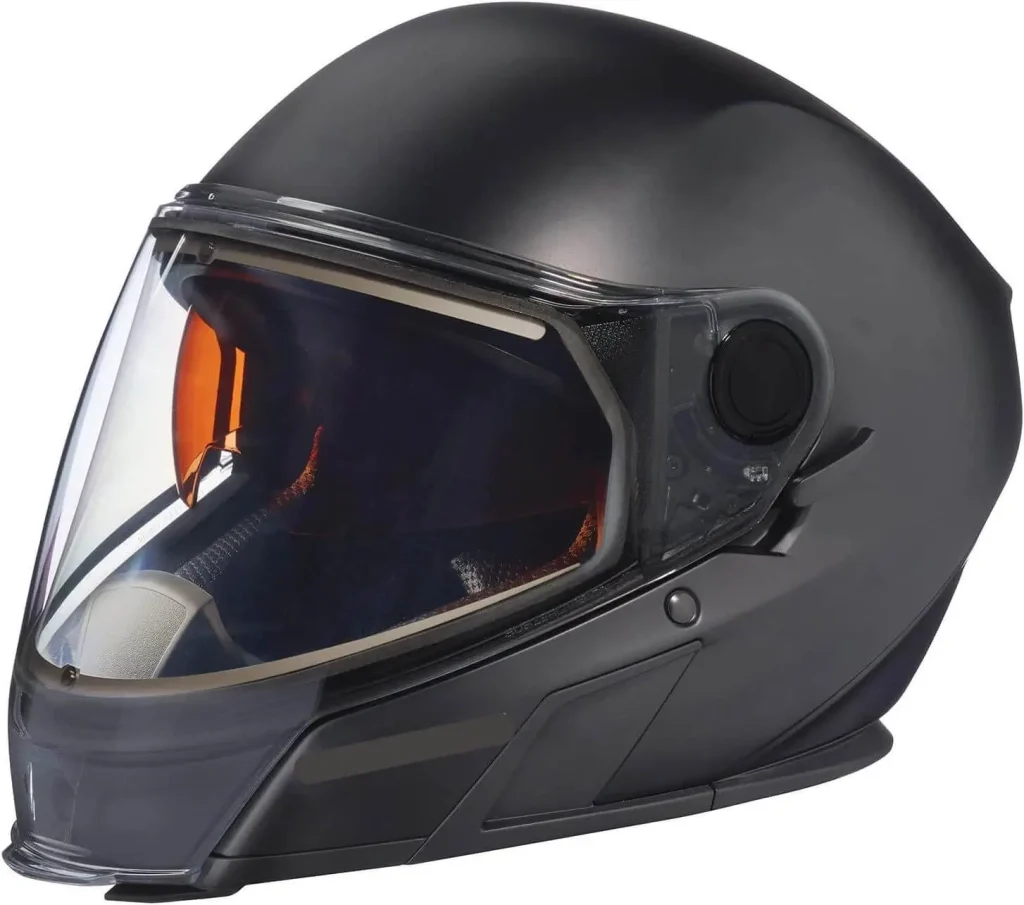
What is a Heated Snowmobile Helmet?
A heated snowmobile helmet is a special piece of gear for snowmobilers. It keeps riders warm and comfy in very cold weather. The helmet has electric heating parts that warm the head and face.
Heated helmets have unique features that make them different from regular helmets. They have electric coils in the lining, around the forehead, ears, and neck. These coils run on a rechargeable battery pack that can be taken off or put on the helmet.
One big plus of heated helmets is they stop the visor from fogging up. They keep the inside of the helmet warm, which means less chance of fog on the visor. This helps riders see clearly.
- Built-in heating elements
- Rechargeable battery system
- Adjustable temperature settings
- Fog-resistant visor
Heated helmets are becoming more popular among winter sports fans. They solve problems like cold discomfort, foggy visors, and frostbite. These helmets keep riders warm, letting them enjoy their rides more and stay safe in cold weather.
Benefits of Using Heated Snowmobile Helmets
Heated snowmobile helmets bring big benefits for riders facing cold weather. They make the ride better, safer, and more comfortable.
Enhanced Visibility in Cold Conditions
Heated helmets help riders see better in the cold. They stop fog and ice from forming on the visor. This clear view is key for staying safe, letting riders react fast to changes.
Improved Rider Comfort and Safety
Heated helmets keep riders warm, which is good for safety. They help avoid getting too cold and keep riders sharp. This means riders can make quick decisions while staying alert.
Prevention of Visor Fogging
Heated helmets also stop fog from forming on the visor. This is a big safety plus in cold weather. Riders get to see everything clearly, making their ride safer and more fun.
| Benefit | Impact on Rider |
| Enhanced Visibility | Clearer view of terrain and obstacles |
| Improved Comfort | Reduced fatigue and better focus |
| Fog Prevention | Unobstructed vision in all conditions |
Key Features to Look for in Heated Helmets
When picking out snowmobile gear, heated helmet features are key for comfort and safety. Here’s a list of important things to think about when choosing your gear.
- Heating Element Coverage: Look for helmets with even heat distribution across the head and face areas.
- Battery Life: Opt for models offering at least 3-4 hours of continuous heating on a single charge.
- Temperature Control: Choose helmets with adjustable heat settings to match varying weather conditions.
- Construction Quality: Prioritize helmets made from durable, impact-resistant materials.
- Ventilation System: Ensure proper airflow to prevent overheating and maintain comfort.
- Visor Quality: Select helmets with anti-fog and scratch-resistant visors for clear visibility.
Some advanced heated helmet features include built-in Bluetooth for communication and GPS integration. While these extras can enhance your riding experience, focus on the core heating functionality first.
Remember, the best heated snowmobile helmet balances performance with your specific needs and riding style. By carefully considering these features, you’ll make an informed choice that enhances your snowmobiling adventures.
Top Materials Used in Heated Snowmobile Helmets
Heated snowmobile helmets are made with advanced materials. They offer great protection and comfort. Let’s look at what makes these helmets safe and functional.
Shell Construction Materials
The outer shell of heated snowmobile helmets is made of strong materials. Polycarbonate is used for its impact resistance and light weight. For top models, fiberglass or carbon fiber is used. These materials make the helmet strong without being too heavy.
Interior Padding and Insulation
Inside the helmet, there are layers for comfort and warmth. The innermost layer is made of moisture-wicking fabrics to keep you dry. There’s also a layer of EPS foam for safety.
The heating elements are placed in these layers. They help spread the warmth evenly.
Visor and Shield Components
Visor technology in heated snowmobile helmets has improved a lot. Most visors now have anti-fog coatings for clear vision in cold weather. They also have scratch-resistant treatments to last longer.
Some high-end models have dual-pane visors. These provide better insulation and prevent fogging.
| Component | Common Materials | Benefits |
| Outer Shell | Polycarbonate, Fiberglass, Carbon Fiber | Impact resistance, Lightweight |
| Interior Padding | Moisture-wicking fabrics, EPS foam | Comfort, Impact absorption |
| Visor | Polycarbonate with anti-fog coating | Clear visibility, Durability |
Installation and Maintenance Guidelines
Setting up your heated snowmobile helmet is easy. First, connect the heating elements to the battery pack. Make sure they fit well. Then, place the battery in its spot. Before you go out, test the system to make sure it works right.
Keeping your helmet in good shape is key. Clean the inside with a mild soap and a soft cloth. Don’t use harsh chemicals that could harm the electrical parts. For tough stains, use a helmet cleaner made for this purpose.
When you’re not using your helmet, store it in a cool, dry spot. Keep it away from sunlight to protect the shell and electronics. Take out the battery if you won’t be using it for a while. This helps it last longer.
| Maintenance Task | Frequency | Importance |
| Clean interior | After each use | High |
| Check connections | Monthly | Medium |
| Inspect heating elements | Seasonally | High |
| Battery maintenance | Off-season | Critical |
Looking after your snowmobile gear is important, not just the helmet. Check all your gear before you ride. Look closely at the wiring and connections. If you have problems with your heated helmet, look in the manual or get help from a pro. This keeps everything safe and working well.
Battery Life and Charging Considerations
Understanding the snowmobile helmet battery is key. Different batteries have different performance and charging needs.
Battery Types
Lithium-ion batteries are light and last long. Nickel-metal hydride batteries are heavier but cheaper. Each affects the helmet’s weight and how long it lasts.
Charging Time
Charging time depends on the battery type and size. Lithium-ion batteries charge quickly, in 2-4 hours. Nickel-metal hydride takes 4-6 hours. Always check your helmet’s manual for charging times.
Power Management Tips
To make your battery last longer, try these tips:
- Use lower heat settings when you can
- Turn off the heating when not in use
- Keep the battery at room temperature
- Don’t let the battery fully drain
Good power management can make your rides longer and more comfortable. Knowing your snowmobile helmet battery and using it wisely means more time on the snow.
| Battery Type | Average Charging Time | Weight | Typical Runtime |
| Lithium-ion | 2-4 hours | Light | 6-8 hours |
| Nickel-metal hydride | 4-6 hours | Heavier | 4-6 hours |
Safety Certifications and Standards
Snowmobile helmet safety is key when riding in harsh winter weather. I’ve looked into the main certification standards for heated helmets. These standards are vital for keeping riders safe and giving them peace of mind on snowmobile rides.
The Department of Transportation (DOT) certification is a top standard for snowmobile helmets in the U.S. It checks if the helmet can withstand impacts, protect against penetration, and keep its shape. Heated helmets also get extra checks to make sure their electrical parts are safe.
The Economic Commission for Europe (ECE) standard is another big deal. It’s more detailed than DOT, testing things like visor quality and how well the helmet holds up to abrasion. ECE also looks at the safety of the electrical parts in heated helmets.
| Certification | Key Tests | Additional Checks for Heated Helmets |
| DOT | Impact, Penetration, Retention | Electrical Safety, Heat Distribution |
| ECE | Impact, Visor Quality, Abrasion | Electrical Component Safety, Temperature Control |
When I’m looking for a heated snowmobile helmet, I always check for these certifications. They make sure the helmet is safe and meets high standards. A certified helmet is a must-have for your snowmobile safety gear.
Comparing Heated vs Non-Heated Snowmobile Helmets
Choosing between heated and non-heated snowmobile helmets is key. I’ll explain the main differences to help you decide.
Cost Analysis
Heated helmets cost more because of their tech. Prices range from $300 to $800. Non-heated helmets start at $100. Here’s a comparison:
| Helmet Type | Initial Cost | Additional Expenses |
| Heated | $300 – $800 | Battery replacements, charging equipment |
| Non-Heated | $100 – $400 | Anti-fog sprays, extra liners |
Performance Differences
The heated vs non-heated helmet debate focuses on performance. Heated helmets keep you warm in extreme cold, reducing fog. Non-heated helmets use insulation but may not keep up in harsh weather.
Long-term Value Assessment
Heated helmets cost more upfront but save money in the long run. They offer:
- Longer riding seasons
- More comfort on long rides
- Less need for extra face protection
Non-heated helmets are cheaper but might need extra gear for cold weather. Your choice depends on how often you ride, the weather, and your personal preferences.
Conclusion
Heated snowmobile helmets have changed the game for winter riders. They offer better visibility, more comfort, and safety in cold weather. The electric heating and advanced batteries keep riders warm and focused.
These helmets might cost more, but they’re worth it in the long run. They prevent fogging, which is a big safety plus. Plus, they make rides more comfortable, so you can enjoy the trails longer.
As tech gets better, so will heated snowmobile helmets. We’ll see longer battery life and more efficient heating. For those who love snowmobiling, a good heated helmet is a smart buy. It’s all about safety and fun on the snowy trails.
FAQ
What is a heated snowmobile helmet?
A heated snowmobile helmet is a special gear for cold weather. It has electric heating inside, powered by a rechargeable battery. This lets you control the heat to keep your face clear and see better.
How do heated snowmobile helmets work?
Heated snowmobile helmets use electric heating inside. This heat comes from a battery and a control system. It keeps your head warm, stops fog, and makes riding more comfortable.
What are the main benefits of using a heated snowmobile helmet?
Heated snowmobile helmets make it easier to see in cold weather. They also keep you warm and safe. This makes riding more fun and safe, especially on long trips.
How long does the battery last in a heated snowmobile helmet?
The battery life in heated snowmobile helmets varies. Most helmets last 2-8 hours on one charge. Some models might last longer or work with external power banks.
Are heated snowmobile helmets safe to use?
Yes, heated snowmobile helmets are safe if they meet safety standards. Look for helmets with DOT or ECE certifications. These ensure they’re safe for both the helmet and the heating system.
How do I maintain my heated snowmobile helmet?
To keep your helmet in good shape, clean it gently with soap and water. Don’t soak the heating parts. Store it in a cool, dry place. Check the battery and connections often. Follow the maker’s advice for charging and storage.
Can I install a heating system in my existing snowmobile helmet?
It’s possible to add heating to a helmet, but it’s not always a good idea. Heating systems need special design for safety and effectiveness. It’s better to buy a helmet made for heated use.
Are heated snowmobile helmets worth the investment?
For many, heated snowmobile helmets are a good buy. They make riding in cold weather more comfortable and safe. Think about your needs and budget before deciding.
What should I look for when choosing a heated snowmobile helmet?
When picking a heated helmet, look for adjustable heat, long battery life, and even heat. Also, check for safety certifications. Consider the helmet’s weight, material, and quality. Features like Bluetooth or communication systems are nice too.
Can heated snowmobile helmets be used for other winter sports?
Heated snowmobile helmets are made for snowmobiling, but some work for skiing or snowboarding. Make sure the helmet is safe for your sport.