
How Do Snowmobile Helmets Differ from Motorcycle Helmets?
When it comes to hitting the open trails or roaring down snow-covered slopes, safety is key. But did you know that not all helmets are created equal? While both snowmobile and motorcycle riders prioritize protection, the design and functionality of their helmets cater to vastly different environments and riding styles. In this post, we’ll delve into the fascinating world of headgear designed for two thrilling adventures—exploring how snowmobile helmets differ from motorcycle helmets in terms of construction, features, and purpose. Whether you’re a seasoned rider or just starting out, understanding these differences could make all the difference when it comes to your safety on snow or asphalt! Buckle up (or rather, strap your helmet on) as we navigate through design innovations that keep you safe while you chase adrenaline!
When it comes to hitting the road or tearing through fresh powder, safety should always be at the forefront of your mind. Whether you’re revving up a motorcycle on a sun-drenched highway or gliding across snowy trails on a snowmobile, wearing the right helmet is non-negotiable. But here’s where things get interesting: not all helmets are created equal. While both types serve the same fundamental purpose—protecting your head from impact—they’re engineered with different environments and needs in mind.
Have you ever wondered what sets these two crucial pieces of gear apart? From materials and ventilation to added features tailored for extreme weather conditions, there’s much more than meets the eye when comparing snowmobile helmets to motorcycle helmets. Dive into this guide as we explore their unique designs and functionalities, ensuring you’re equipped with knowledge that could make all the difference during your adventures—no matter how fast you go!
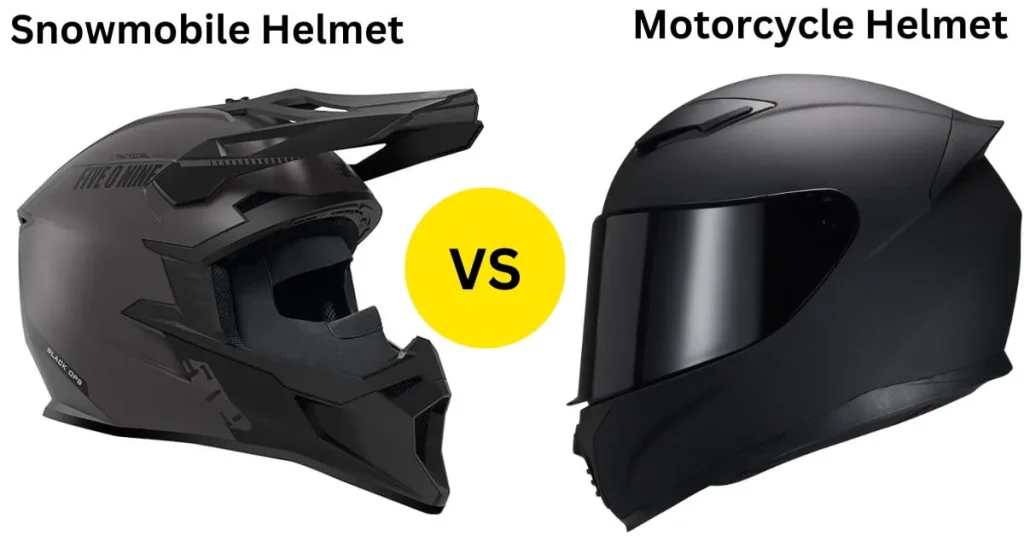
Purpose and Importance of Helmets for Winter Sports vs. Motorcycling
Helmets play a crucial role in protecting riders against head injuries, whether on snow or asphalt. For winter sports enthusiasts, snowmobile helmets shield from the cold and potential impacts during high-speed rides over icy terrains.
Motorcycling also demands protection. Motorcycle helmets are designed to guard against road debris, falls, and collisions at various speeds. The materials and technology behind each helmet cater specifically to their environment.
While both types prioritize safety, they serve different purposes based on context. Snowmobile riders face unique challenges like extreme weather conditions and varying visibility. In contrast, motorcyclists navigate traffic hazards with a focus on aerodynamics and airflow.
Choosing the right helmet not only enhances safety but also provides comfort tailored for each activity’s specific needs.
Key Differences in Design and Features:
Snowmobile helmets and motorcycle helmets each cater to specific environments, leading to distinct design choices. For instance, the protective shell material varies significantly. Snowmobile helmets often utilize lighter materials that can withstand cold temperatures while still offering durability. Motorcycle helmets generally prioritize impact resistance with heavier constructions.
Ventilation systems also differ markedly. Snowmobile models emphasize warmth and insulation since riders are exposed to frigid air for extended periods, whereas motorcycle helmets feature vents designed for airflow during high-speed rides.
When it comes to face protection, snowmobilers typically use goggles instead of a full-face shield. Goggles provide better peripheral vision in snowy conditions and prevent fogging from exhaled breath.
Additional features like neck skirts or breath guards enhance comfort in cold weather for snowmobiles but aren’t common in motorcycle designs. Noise reduction capabilities vary too; snowmobile helmets focus on minimizing wind noise at slower speeds compared to the higher velocities experienced by motorcyclists.
– Protective Shell Material
When it comes to protective shell materials, snowmobile helmets and motorcycle helmets have distinct requirements.
Snowmobile helmets are often crafted from lightweight polycarbonate or fiberglass composites. These materials help reduce fatigue during extended rides in cold climates while still providing adequate protection against impacts.
On the other hand, motorcycle helmets typically utilize stronger materials like advanced thermoplastics or carbon fiber. This design choice caters to higher speeds on asphalt surfaces where impact resistance is crucial.
The construction methods also differ slightly. Snowmobile helmets may incorporate features that enhance insulation, keeping your head warm in frigid conditions, without sacrificing safety.
Conversely, motorcycle helmets focus more on aerodynamics and ventilation for airflow at high speeds. Each type excels in its environment but prioritizes unique needs based on their respective activities.
– Ventilation System
Ventilation is crucial in any helmet, but it plays a unique role in snowmobile helmets compared to motorcycle helmets.
Snowmobiling typically occurs in cold environments where moisture can build up quickly inside the helmet. A proper ventilation system helps regulate temperature and prevent frost or ice from forming on your visor or goggles.
Motorcycle helmets often focus on airflow for warmer conditions. They have vents designed to circulate air over the rider’s head, keeping them cool during summer rides.
On the other hand, snowmobile helmets may feature adjustable vents that allow riders to control airflow based on varying weather conditions. This adaptability is essential for maintaining comfort when transitioning between colder outdoor air and heated moments of exertion.
Choosing a helmet with an effective ventilation system tailored to your activity ensures you stay comfortable and focused while enjoying your ride.
– Face Shield or Goggles?
When it comes to visibility and protection, the choice between a face shield and goggles is crucial for both snowmobiling and motorcycling. Each option has its advantages that cater to specific environments.
Face shields provide a wider field of vision. They cover the entire front of the helmet, offering seamless protection against wind, snow, or rain. This design minimizes distractions from peripheral elements while allowing riders to maintain focus on their path ahead.
On the other hand, goggles have a snug fit and are often more versatile in extreme conditions. They can be easier to replace if scratched or damaged during use. Goggles typically allow for better airflow around the eyes, reducing fogging—an important consideration when temperatures drop.
Ultimately, your choice may depend on personal preference or riding style. Some enthusiasts even choose to switch things up based on weather changes during their ride.
– Additional Cold Weather Protection
Snowmobile helmets are specifically designed to tackle the challenges of cold weather. One prominent feature is the added insulation, which helps retain warmth during frigid rides. This is essential for long outings when exposure can lead to discomfort or even frostbite.
Many snowmobile helmets come with a thicker liner and sometimes even an integrated balaclava. These elements work together to shield your face and neck from biting winds.
Additionally, some models include features like breath guards that direct exhaled air away from the visor. This minimizes fogging while keeping your vision clear in snowy conditions.
The fit of a snowmobile helmet also plays a crucial role in maintaining warmth. A snug but comfortable fit prevents cold air from seeping inside, ensuring you remain focused on the trail ahead without distractions from the chill.
– Noise Reduction
Noise reduction is a crucial aspect of both snowmobile and motorcycle helmets, but the approaches differ significantly. Motorcycle helmets often emphasize wind noise reduction due to high-speed travel on open roads. They come equipped with padding and specialized designs to minimize turbulence around the ears.
In contrast, snowmobile helmets prioritize insulation from cold winds rather than sheer noise cancellation. Riders typically face harsher conditions at lower speeds in winter environments. These helmets may feature additional sound barriers or thicker materials for warmth.
While some riders prefer quieter rides, others might enjoy feeling connected to their environment. The right choice depends on individual preferences and riding styles. A well-designed helmet will strike a balance between comfort and protection against external sounds while catering to specific needs when hitting the slopes or cruising down a highway.
Safety Standards and Certifications for Snowmobile and Motorcycle Helmets
When it comes to safety, both snowmobile and motorcycle helmets are subject to rigorous testing. They must meet specific standards designed to protect riders in the event of a crash.
For motorcycle helmets, organizations like DOT (Department of Transportation) and Snell Memorial Foundation set the bar for safety certifications. These ensure that helmets can withstand impacts and provide adequate protection.
Snowmobile helmets have their own standards as well, often certified by organizations like ECE (Economic Commission for Europe). This certification focuses on how well the helmet performs under cold conditions and harsh weather.
It’s essential to choose a helmet that meets or exceeds these regulations. A certified helmet not only guarantees better protection but also provides peace of mind while you’re out enjoying your ride in any environment. Always look for labels indicating compliance with recognized safety standards before making a purchase.
Price Comparison: Are Snowmobile Helmets More Expensive?
When considering the price of snowmobile helmets versus motorcycle helmets, you might be surprised by the findings. Generally, snowmobile helmets can range widely in cost due to their specialized features.
High-quality snowmobile models often include advanced insulation and additional cold weather protection. These enhancements do come at a premium but are essential for safety and comfort during extreme winter conditions.
Motorcycle helmets also vary in price, depending on materials and technology. However, they typically don’t require as many specialized elements compared to those designed for sub-zero temperatures.
It’s important to remember that both types offer varying levels of quality and durability based on brand reputation. Shoppers should assess their specific needs before making any decision regarding budget constraints or necessary features. This careful consideration will help ensure you get the best value for your investment in safety gear.
Factors to Consider When Choosing a Helmet for Your Activity:
Choosing the right helmet involves several key factors. First, consider the climate and terrain where you’ll be riding. Cold weather calls for insulation features, while warmer conditions might necessitate better ventilation.
Personal comfort is crucial too. A well-fitted helmet enhances safety and enjoyment during your ride. Check that it sits snugly without being overly tight.
Budget also plays a role in your decision-making process. Higher-priced helmets often come with advanced technology and materials, but there are great options at various price points.
Finally, think about what style suits your needs best. Whether you prefer a full-face design or an open face model can influence your experience on snow or asphalt alike. Each choice brings its own set of benefits tailored to specific activities.
– Climate and Terrain
When choosing a helmet for snowmobiling or motorcycling, climate and terrain play crucial roles. Snowmobiles often navigate through snowy landscapes, where weather conditions can change rapidly. A helmet designed for winter sports must shield against cold temperatures while ensuring visibility in blizzards.
Motorcyclists face diverse environments. From city streets to winding mountain roads, the need varies greatly. Humidity, heat, and rain all influence what type of helmet is suitable.
Snowmobile helmets typically feature insulation and warmth retention to combat frigid air. In contrast, motorcycle helmets focus on airflow for cooling during warm rides.
Each activity demands careful consideration of environmental factors to ensure safety and comfort throughout your ride. Understanding how climate influences gear selection can dramatically enhance your experience on either machine.
– Personal Comfort Preferences
Personal comfort is crucial when selecting a helmet for snowmobiling or motorcycling. Each sport demands different fit and feel, influencing your overall experience.
For snowmobile helmets, consider how they fit with layers of winter gear. A snug but comfortable interior can help maintain warmth without sacrificing safety.
Motorcycle helmets often prioritize airflow and weight. You want something that feels light on long rides while providing adequate protection. Padding thickness also varies, impacting comfort during extended use.
Don’t forget about the shape of your head! Helmets come in various designs—some may suit you better than others based on individual anatomy.
Trying on multiple models can make a significant difference in finding that perfect match. Ultimately, the right helmet will enhance enjoyment while riding or racing through snowy trails or open roads.
– Budget
Budget is a crucial factor when choosing between snowmobile helmets and motorcycle helmets. Prices can vary widely based on brand, features, and technology used in the construction of the helmet.
Snowmobile helmets tend to range from affordable options to high-end models equipped with advanced safety features. If you ride frequently in harsh conditions, investing more may be worthwhile.
Motorcycle helmets also come at various price points. Generally, they offer a broader selection because of their popularity across different riding styles.
Consider what you’re willing to spend without compromising safety or comfort. A slightly higher investment could provide better protection and longevity for your helmet.
It’s essential to find something that meets your budget while ensuring it fits snugly and suits your specific needs on the road or trail. Always prioritize quality over price; this small detail can make all the difference in an emergency situation.
Maintenance Tips for Prolonged Lifespan of Your Helmet
Caring for your helmet is essential to ensure it lasts through many thrilling rides. Start by giving it a gentle wipe with a soft cloth after each use. This removes dirt and sweat, preventing buildup.
Store your helmet in a cool, dry place away from direct sunlight. Heat can damage the materials over time, compromising safety features.
Inspect the interior padding regularly for signs of wear or tear. If you notice any damage, consider replacing the padding or even the entire helmet if necessary.
When cleaning, avoid harsh chemicals that could degrade materials. Instead, opt for mild soap and water to keep things fresh without causing harm.
Lastly, remember to check straps and buckles periodically. They must function properly to provide optimal protection when needed most. Regular maintenance will enhance not only longevity but also safety on every adventure ahead.
Conclusion
Choosing the right helmet boils down to your specific needs and activities. If you’re gearing up for a thrilling ride on snow-covered trails, a snowmobile helmet is designed with features that cater specifically to cold weather conditions and high speeds. On the other hand, if you plan to hit the open road on two wheels, a motorcycle helmet prioritizes ventilation and aerodynamics suited for warmer climates.
Consider factors like comfort, fit, safety ratings, and how often you’ll be using it. Your choice will ultimately depend on where you ride most frequently—whether in snowy terrains or sunny highways. Investing time in finding the perfect helmet enhances not just your safety but also your overall experience while enjoying these exhilarating sports.
Remember that both types of helmets are vital pieces of gear aimed at protecting you from serious injury. So think carefully about what aligns best with your lifestyle and riding habits before making a decision.