
Master Snowmobile Communication for Safe, Smart Riding
Master Snowmobile communication is key to enjoying this exciting winter sport safely. As a snowmobiler, I’ve found that clear communication is essential. It’s vital to stay connected with your group, whether on backcountry trails or groomed paths.
Staying safe while snowmobiling relies on good communication. Riders use hand signals and radio systems to stay in sync. These methods boost safety and make the ride more enjoyable.
In this guide, we’ll look at important communication strategies for snowmobilers. We’ll cover basic hand signals and advanced tech solutions. This will prepare you for your next snowy adventure.
Key Takeaways
- Effective snowmobile communication enhances rider safety
- Various methods exist for staying connected while snowmobiling
- Hand signals are a fundamental form of on-trail communication
- Radio systems provide extended range for group communication
- Understanding trail markers is crucial for safe navigation
- Technology offers new ways to stay connected while riding
Essential Hand Signals for Snowmobile Safety
Snowmobile hand signals are key for safe riding in snowy areas. I’ll show you important snowmobile safety gestures. These signals keep groups together and ensure safety on trails.
Stop and Emergency Signals
The stop gesture is crucial. Raise your left arm straight up with an open palm to stop. For emergencies, wave both arms overhead in an X pattern. This warns others of danger.
Turn and Direction Indicators
To signal a left turn, extend your left arm straight out. For right turns, raise your left arm at a 90-degree angle. These gestures prevent collisions on narrow trails.
Speed Control Gestures
Slowing down is shown by extending your left arm downward with palm facing back. To speed up, use an upward pumping motion with your left arm.
Group Formation Signals
For single file riding, hold up one finger. For side-by-side riding, hold up two fingers. These signals help manage trail space.
| Signal | Meaning | Gesture |
| Stop | Halt movement | Left arm raised, palm open |
| Emergency | Immediate danger | Both arms waved in X pattern |
| Left Turn | Turning left | Left arm extended straight |
| Right Turn | Turning right | Left arm raised at 90 degrees |
| Slow Down | Reduce speed | Left arm down, palm back |
Radio Communication Systems for Snowmobilers
Snowmobile radio systems are key for safe and fun rides. Two-way radios for snowmobiling bring many benefits. They help keep groups together and handle emergencies well.
Many snowmobilers like FRS (Family Radio Service) or GMRS (General Mobile Radio Service) radios. These work well in different weather and have good range for talking on trails.
| Radio Type | Range (miles) | License Required | Channels |
| FRS | 0.5 – 2 | No | 22 |
| GMRS | 5 – 25 | Yes | 30 |
When picking a two-way radio for snowmobiling, think about battery life, waterproofing, and how easy it is to use with gloves. Some models work with helmet systems for hands-free use.
To keep communication clear, do regular radio checks and keep batteries warm. It’s also important to pick channels and codes before you go. This way, everyone can stay in touch.
Snowmobile radio systems make rides safer and more fun. They let riders share cool moments, warn of dangers, and plan stops. This makes the ride more enjoyable and safe for everyone.
Understanding Trail Communication Markers
I know that reading snowmobile trail markers and signs is crucial for a safe ride. These visual cues guide riders through the winter landscape. They provide essential information about the trail ahead.
Standard Trail Signs and Symbols
Snowmobile trail signs use a universal language of shapes and colors. Orange diamonds mark the trail, while blue squares indicate services. Green circles show easy trails, and black diamonds warn of difficult terrain. I always keep an eye out for these markers to stay on track.
Warning and Hazard Indicators
Yellow signs are my cue to slow down and stay alert. They warn of sharp turns, steep hills, or trail intersections. Red signs demand immediate attention, signaling stop signs or dangerous conditions ahead. Recognizing these warnings helps me avoid accidents and ride responsibly.
Distance and Direction Markers
Trail markers often include mileage information and directional arrows. These help me plan my trip and ensure I’m heading the right way. Some trails use numbered junction markers, making it easier to communicate my location in case of an emergency.
| Sign Color | Meaning | Action Required |
| Orange | Trail Marker | Follow the trail |
| Blue | Services | Note nearby amenities |
| Green | Easy Trail | Proceed with confidence |
| Black | Difficult Trail | Use caution, assess skill level |
| Yellow | Caution | Slow down, stay alert |
| Red | Danger or Stop | Come to a complete stop or avoid area |
How do you Communicate with Snowmobiling?
Effective communication is key for safe and fun snowmobiling. Learning different ways to communicate can greatly improve group rides and emergency situations.
Basic Communication Methods
Hand signals are the base of snowmobile talk. A thumbs-up means “all good,” and a raised fist is “stop.” Pointing left or right shows turn directions. These simple signs keep groups safe and together on trails.
Emergency Communication Protocols
Knowing how to handle emergencies is crucial. I always carry a whistle and use three short blasts for distress. For serious emergencies, I use my two-way radio to call for help.
Group Riding Communication
Clear talk is essential in group rides. I pair riders up to watch out for each other. We set checkpoints to regroup and check everyone’s there. This keeps everyone together and safe.
| Communication Type | Method | Purpose |
| Visual | Hand Signals | Basic directions and warnings |
| Auditory | Whistle | Emergency signaling |
| Verbal | Two-way Radio | Long-distance communication |
Using these communication methods and emergency plans has made my snowmobiling safer and more enjoyable.
Technology-Based Communication Tools
Snowmobile communication technology has changed how riders stay in touch on the trails. I’ve seen how these tools make the ride safer and more convenient.
GPS Communication Devices
Snowmobile GPS devices are a big deal for navigation and safety. They track your location in real-time, plan routes, and send out emergency signals. Many models work well with smartphones, letting riders share their location with friends.
Bluetooth Helmet Systems
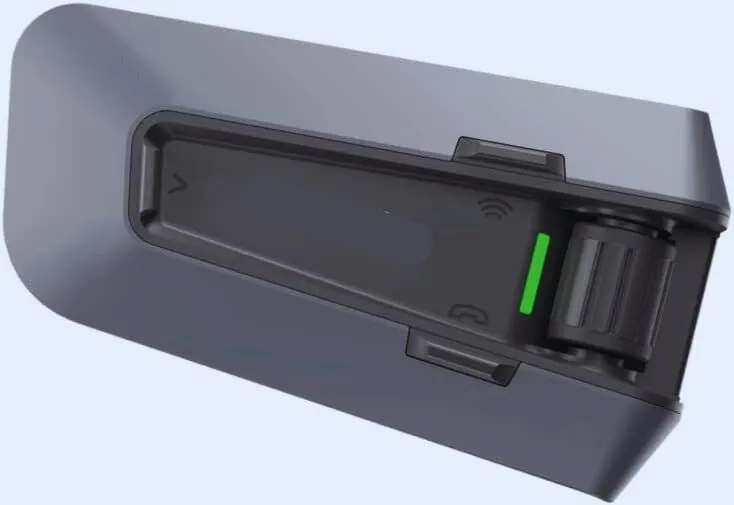
Bluetooth helmets have made talking to other riders easier. They let you talk clearly, even when you’re moving fast. No need to stop or take off your gloves to use a phone or radio anymore.
Mobile Apps for Snowmobilers
Smartphone apps are key for snowmobilers today. They give you trail maps, weather forecasts, and more. Some cool features include:
- Real-time trail conditions
- Group tracking
- Emergency SOS functions
- Fuel station locators
| Communication Tool | Key Benefits | Best For |
| GPS Devices | Navigation, Emergency Signaling | Remote Area Riding |
| Bluetooth Helmets | Hands-free Communication | Group Rides |
| Mobile Apps | Trail Info, Weather Updates | Trip Planning |
Using these snowmobile communication technologies makes rides safer and more fun. Mixing GPS devices, Bluetooth systems, and mobile apps creates a great way to stay connected on any snowmobiling trip.
Night Riding Communication Techniques
Snowmobile night riding comes with its own set of challenges. Visibility is crucial when it gets dark. That’s why reflective gear and good lighting are must-haves for safe communication.
Hand signals change in the dark. I make them bigger and add light to make them clear. For example, I use my headlamp to signal turns or stops. At night, radios are key to keep everyone in touch when you can’t see each other.
Before we hit the trails, we plan everything out. We decide on light signals for different messages. Like flashing twice for “slow down” or three times for “stop”.
- Use reflective tape on helmets and gear
- Carry extra batteries for communication devices
- Practice night signals before the ride
Remember, night riding needs extra care. Learning these communication tricks makes your night rides safer and more fun.
Group Riding Communication Etiquette
Good communication is vital for a safe and fun snowmobile ride. Before hitting the trails, it’s important to know the rules. Here are some key guidelines for group rides.
Pre-Ride Briefing Guidelines
A detailed pre-ride briefing is essential. I cover these important points:
- Planned route and stops
- Potential hazards
- Hand signals to use
- Rider positions in the group
- Emergency procedures
Formation Communication
Keeping the group safe and connected is key. I suggest:
- Maintaining a staggered formation
- Keeping a 3-second following distance
- Using mirrors to check on riders behind you
- Passing hand signals down the line
Emergency Response Coordination
Quick action is crucial in emergencies. Our group follows these steps:
- Stop safely and alert others
- Assess the situation
- Assign roles (first aid, traffic control, contacting help)
- Execute the emergency plan
Good snowmobile etiquette means looking out for each other. By following these guidelines, we make sure everyone has a safer, more enjoyable ride.
Weather-Related Communication Challenges
Talking on a snowmobile in bad weather is tough. Cold, snow, and wind make it hard to hear and see. Using gear that won’t get wet is crucial for clear communication.
In blizzards, hand signals don’t work. That’s when radios are a lifesaver. But even they can fail in really bad storms. I always carry extra batteries and keep my radio dry to stay in touch.
It’s important to be careful when talking in extreme weather. I use bright LED lights on my sled to be seen in whiteouts. For long rides, I also carry emergency flares.
- Use weather-resistant radios
- Carry extra batteries
- Install bright LED lights
- Pack emergency flares
Weather can change quickly in the backcountry. I make sure everyone knows how to share updates about trail conditions. This keeps us safe when storms come out of nowhere.
Lastly, I’ve learned to read the sky. Knowing when bad weather is coming helps me plan our communication. It’s all about staying ahead of Mother Nature.
Conclusion
Effective snowmobile communication is key for a safe and fun ride. We’ve looked at many ways to stay in touch on the trails. From hand signals to radio systems, each method is important for safety.
Learning these communication skills can greatly improve your snowmobiling trips. Using trail markers or GPS devices, clear talk keeps everyone together. Good communication is a big part of snowmobiling safety.
Try out these methods on your next ride. As tech changes, keep learning new ways to talk. By improving your skills, you’ll make your snowmobiling better and safer for all.
FAQ
What are the most important hand signals for snowmobiling?
Key hand signals for snowmobiling include the stop signal (raised fist) and turn indicators (pointing left or right). Also, slow down (palm facing down, moving up and down) and speed up (thumb up) are crucial. These signals help keep everyone safe and in sync.
How do I choose the right radio communication system for snowmobiling?
When picking a radio system, think about range, cold weather durability, battery life, and glove-friendly design. Look for models that are weather-resistant, have a range of 5-10 miles, and offer group channels and emergency alerts.
What are some common trail markers I should be aware of?
Be aware of stop signs, yield signs, speed limit signs, and direction arrows. Also, watch out for warning signs for hazards like steep hills and thin ice. Knowing distance markers and trail intersection signs helps with navigation.
How can I communicate effectively while snowmobiling at night?
For night communication, wear reflective gear and make sure your snowmobile’s lights work well. Use radio communication more and agree on light signals with your group. Use hand signals that are easy to see in the dark and have a pre-ride briefing to set up communication plans.
What should be included in a pre-ride communication briefing?
The briefing should cover the route, hazards, weather, and emergency procedures. Discuss hand signals and radio channels. Assign roles and make sure everyone knows the plan before you go.
How do GPS communication devices enhance snowmobiling safety?
GPS devices help by tracking your location and letting you share it with others. They have emergency SOS features for help in no-cell areas. They also help with navigation and give real-time weather updates.
What are some effective ways to communicate in adverse weather conditions?
In bad weather, use radio and weather-resistant gear. Check in more often with your group. Use big hand signals when it’s hard to see. Consider Bluetooth helmet systems for better communication. Always have a backup plan for communication.
How can mobile apps improve communication while snowmobiling?
Apps can offer real-time trail maps, weather updates, and group tracking. Some have messaging systems for coordination. But, remember cell coverage can be limited, so don’t rely only on apps for important talks.