
How to Keep Glasses from Fogging while Snowmobiling?
As a seasoned snowmobile rider, I know the thrill of zipping through snow-covered trails. But for those of us who wear glasses, foggy lenses can quickly turn that excitement into frustration. I’ve spent years perfecting snowmobiling glasses fog prevention techniques to maintain clear vision snowmobiling. In this guide, I’ll share my top tips to keep your glasses fog-free, ensuring you enjoy every moment of your winter adventure.
Foggy glasses aren’t just annoying – they can be dangerous when you’re navigating icy terrain at high speeds. I’ve learned that combining the right equipment with proper riding techniques is key to keeping your vision crystal clear. Whether you’re a weekend warrior or a daily rider, these strategies will help you see clearly and ride safely in any weather condition.
Key Takeaways
- Proper gear selection is crucial for fog prevention
- Anti-fog sprays and coatings can significantly reduce lens fogging
- Correct helmet ventilation plays a vital role in clear vision
- Breathing techniques can help minimize fogging
- Regular maintenance of anti-fog equipment is essential
Understanding Why Glasses Fog Up During Snowmobiling
Foggy glasses can really mess up a fun snowmobile ride. I’ve looked into why glasses fog up to help you solve this issue. Let’s explore the science behind fogging and the factors that make it worse while snowmobiling.
The Science Behind Lens Fogging
Fogging happens when warm air meets a cold surface. Your breath and body heat make warm, moist air inside your helmet. This air then condenses on your cold lenses, causing tiny water droplets that blur your view.
Temperature and Humidity Factors
Cold outside temperatures and your body’s warmth create a perfect mix for foggy lenses. High humidity in the air makes it even more likely for condensation to form on your glasses.
| Temperature Difference | Humidity Level | Fogging Risk |
| Small (5-10°F) | Low (<30%) | Minimal |
| Medium (11-20°F) | Moderate (30-60%) | Moderate |
| Large (>20°F) | High (>60%) | Severe |
Impact of Speed and Wind
Speed and wind are also factors in snowmobiling fog. Fast riding creates a pressure difference that pushes moist air onto your lenses. This increases fog buildup. Strong winds can also push humid air into your helmet, making the problem worse.
Knowing why glasses fog up is crucial for clear vision on your snowmobile rides.
Essential Anti-Fog Equipment for Snowmobile Riders
As a snowmobiler, I know how vital clear vision is. Anti-fog gear is key for a safe and fun ride. Let’s look at some must-have items to keep your view clear.
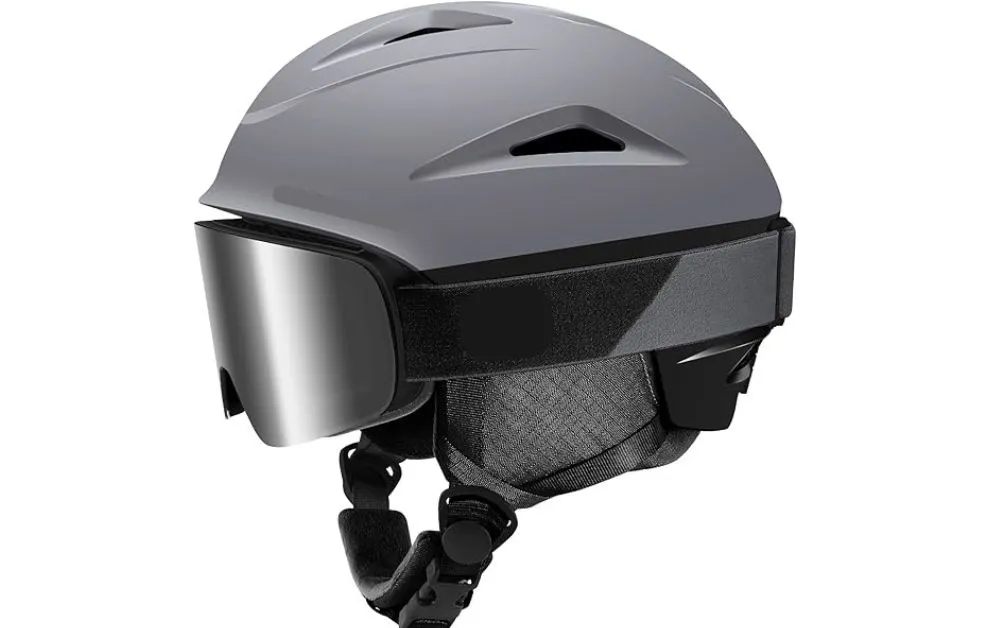
Goggles are the heart of snowmobile eyewear. Look for ones with double-lens tech and anti-fog coatings. These features help stop fog from forming on the inner lens.
Face masks with breath deflectors are a big help. They keep your warm breath from fogging up your goggles. Some masks even have vents to cut down moisture.
- Anti-fog sprays and wipes
- Helmet fans for improved air circulation
- Heated goggles for extreme conditions
- Pinlock inserts for full-face helmets
Don’t overlook your helmet’s vents. Many helmets have adjustable vents. These let you control airflow, keeping your helmet dry and fog-free.
Quality anti-fog gear is a must for clear vision and safety. The best gear uses different technologies to fight fog well.
How to Keep Glasses from Fogging while Snowmobiling?
Foggy glasses can spoil a perfect snowmobiling day. I’ve tried many ways to keep your vision clear on the trails. We’ll look at professional tips, DIY tricks, and ventilation methods to ensure you see everything.
Professional Anti-Fog Solutions
Top-notch anti-fog sprays and wipes are essential for snowmobilers. They create a thin, invisible shield on your lenses that keeps moisture away. I’ve found nano-tech coatings to be the best, lasting through many rides without needing to be reapplied.
DIY Fog Prevention
Looking for affordable options? Here are some DIY fog prevention tips:
- Rub a thin layer of dish soap on your lenses, then buff it off
- Apply a mixture of vinegar and water (1:1 ratio) with a soft cloth
- Use a dab of shaving cream, wiped clean with a microfiber cloth
These simple home remedies can work well for short rides.
Proper Helmet Ventilation Techniques
Good airflow is key for fog-free glasses. I always do the following:
- Open helmet vents fully before starting my ride
- Position my glasses slightly away from my face
- Use a breath deflector to direct exhaled air downward
By using these snowmobile glasses anti-fog techniques and proper ventilation, you’ll have clear vision all winter.
Choosing the Right Eyewear for Winter Sports
Finding the right eyewear for snowmobiling is crucial. It can make your winter adventure better. I’ll help you pick the best eyewear for clear vision and a smooth ride.
Best Glasses Frames for Snowmobiling
Durability and fit are important for snowmobile-friendly glasses. Look for frames made from materials like TR90 or titanium. They can handle cold weather and won’t break easily if you fall.
Wraparound styles also protect from wind and snow. They keep your eyes safe and comfortable.
Prescription Goggles Options
Anti-fog prescription goggles are a big help for those who need vision correction. They combine goggles with your prescription, so you don’t need glasses under them. Many brands offer insert options that fit into regular goggles, giving you more choices.
Lens Coating Technologies
Advanced lens coatings are key for fog-free riding. Look for lenses with hydrophobic and oleophobic treatments. These keep your vision clear by repelling water and oil.
Some high-end glasses even have electric heating to prevent fog in extreme cold.
| Coating Type | Benefits | Best For |
| Hydrophobic | Repels water | Wet conditions |
| Oleophobic | Repels oil and smudges | All-day wear |
| Anti-reflective | Reduces glare | Bright, sunny days |
The best eyewear combines these features for the clearest view. Invest in quality gear for fog-free rides all season.
Proper Helmet and Face Shield Configuration
A well-configured snowmobile helmet setup is key for clear vision. I’ll show you how to optimize your gear to avoid fog and boost safety.
First, make sure your helmet fits right. It should be snug but not too tight. Look for any gaps around your chin and cheeks. These can let cold air in and cause fog. Many helmets have adjustable padding to help you get a perfect fit.
Then, focus on adjusting your face shield. Most modern shields come with anti-fog coatings. But, it’s important to position it right. Open it a bit at slow speeds to let air in. At faster speeds, close it to block wind and debris.
Here are some extra tips for the best setup:
- Clean your face shield often with anti-fog solutions
- Adjust the helmet’s top vents for better airflow
- Use a breath deflector to keep air from your glasses
- Make sure your goggles or glasses fit well inside the helmet
By tweaking these settings, you’ll make your snowmobile rides fog-free and comfy. A well-set helmet not only helps you see better but also makes your rides more fun.
Ventilation Strategies for Clear Vision
Learning how to manage snowmobile helmet ventilation is key to clear vision. It’s important for safety and fun on the trails. Here are some tips to keep your glasses fog-free.
Breathing Techniques While Riding
Proper breathing is crucial to avoid fogging your lenses. I exhale slowly, directing my breath away from my face shield. This helps prevent moisture from building up inside the helmet.
Optimal Face Mask Positioning
Getting your face mask right is essential for clear vision. I make sure it fits snugly below my nose. This creates a seal that keeps warm breath from my glasses. It’s a small change that makes a big difference.
Managing Airflow Inside Your Helmet
Good snowmobile helmet ventilation means managing airflow well. I keep the top vents open to let warm air out. I also open the chin vent a bit to create a gentle flow upwards. This keeps the temperature right and prevents fogging.
| Ventilation Area | Recommended Setting | Purpose |
| Top Vents | Open | Release warm air |
| Chin Vent | Slightly Open | Create upward airflow |
| Face Shield | Cracked Open | Allow fresh air intake |
Using these ventilation tips will give you clearer vision and a more comfortable ride. Remember, the more you practice, the better you’ll get at these techniques.
Maintenance Tips for Anti-Fog Equipment
Keeping your anti-fog gear in top shape is key for clear vision while snowmobiling. Regular maintenance extends your gear’s life and keeps it working well. Here are some important tips for snowmobile eyewear care.
Cleaning your anti-fog lenses is essential after each ride. Use a microfiber cloth and a special anti-fog lens cleaner. Stay away from harsh chemicals or rough materials that can harm the coating. For tough dirt, a gentle soap and water mix works great.
Proper storage is crucial for anti-fog gear maintenance. Store your goggles or glasses in a protective case when not in use. Keep them in a cool, dry spot, away from sunlight to protect the anti-fog coating.
- Inspect your gear regularly for scratches or wear
- Reapply anti-fog treatments as needed
- Replace lenses if visibility is compromised
For breath deflectors and face masks, wash them often with mild soap and water. Make sure they’re dry before your next ride to avoid moisture inside your helmet.
By following these snowmobile eyewear care tips, you’ll keep your vision clear and enjoy safer rides all season.
Weather Considerations and Adaptation Techniques
Snowmobiling in extreme weather means adapting to winter. Different temperatures and types of precipitation affect how well we can see and stay comfortable. Let’s look at how to prevent fog in different weather conditions.
Riding in Different Temperature Conditions
Temperature changes make snowmobiling tough. In warmer weather, I make sure to ventilate to avoid fog. When it gets colder, I wear more layers and use anti-fog solutions more often. Here’s how to handle different temperatures:
| Temperature Range | Anti-Fog Strategy |
| 32°F to 20°F (0°C to -6°C) | Increase ventilation, use light anti-fog spray |
| 20°F to 0°F (-6°C to -18°C) | Apply heavy-duty anti-fog solution, adjust face mask |
| Below 0°F (-18°C) | Use electric heated goggles, minimize exposed skin |
Dealing with Extreme Cold
In extreme weather, I take extra steps. I wear a balaclava to cut down on moisture from breathing. I also use goggles made for the Arctic. These help me see clearly, even in the coldest conditions.
Managing Precipitation Effects
Snow and ice are big challenges in winter. I use lens coatings that repel water. For heavy snow, I wear big goggles with wipers. This keeps my vision clear and lets me enjoy snowmobiling safely.
Common Mistakes to Avoid
I’ve seen many riders struggle with snowmobile glasses fogging errors. These issues can ruin an otherwise perfect day on the trails. Let’s dive into some anti-fog technique pitfalls to help you steer clear of trouble.
Overheating is a major culprit. When you work up a sweat, moisture builds up inside your helmet. This leads to foggy lenses. To combat this, dress in layers and adjust your clothing as needed during your ride.
Improper equipment use is another common problem. Some riders don’t seal their goggles correctly or use incompatible face masks. This creates gaps where warm air can escape and cause fogging.
Neglecting maintenance is a big no-no. Dirty or worn-out anti-fog coatings won’t perform well. Clean your gear regularly and replace it when necessary.
| Mistake | Consequence | Solution |
| Overheating | Excess moisture inside helmet | Dress in layers, adjust clothing |
| Improper equipment use | Gaps allow warm air to escape | Ensure proper fit and compatibility |
| Neglecting maintenance | Reduced anti-fog performance | Clean regularly, replace when needed |
By avoiding these snowmobile glasses fogging errors, you’ll enjoy clearer vision and safer rides. Remember, prevention is key when it comes to conquering anti-fog technique pitfalls.
Conclusion
I’ve shared many ways to keep your snowmobile glasses fog-free. We’ve looked at the science behind fog and how to pick the right gear. The right equipment is key to clear vision while snowmobiling.
It’s also important to keep your gear in good shape and adjust to the weather. These steps help you see clearly on the trails. By using these tips, you’ll be ready for any fog that comes your way.
Try these methods on your next snowmobiling trip. Clear vision means you’ll enjoy the winter scenery more and stay safe. With these fog-prevention tips, you’re all set for a better snowmobiling experience.
FAQ
Why do my glasses fog up while snowmobiling?
Fogging happens when cold outside air meets warm air inside your helmet. Your breath, being warm and moist, condenses on the lenses. This is why fog forms. Humidity, speed, and wind also play a role.
What’s the best anti-fog solution for snowmobiling glasses?
The best anti-fog solution varies by person. Anti-fog sprays, special lens coatings, and goggles for winter sports are good options. Professional treatments usually work best in snowmobiling.
Can I use household items to prevent my glasses from fogging?
Yes, you can try DIY methods. Use dish soap, shaving cream, or toothpaste on your lenses and wipe it off. But, these might not last long or work as well as professional solutions.
How important is proper helmet ventilation for preventing fog?
Helmet ventilation is very important. It helps control temperature and humidity inside your helmet. This reduces fog on your lenses. Make sure your helmet’s vents are open and right.
Are there specific glasses frames that work better for snowmobiling?
Yes, some frames are better for snowmobiling. Look for low-profile, flexible frames that fit under a helmet well. Adjustable nose pads help position your glasses right to prevent fog. Some brands make frames for winter sports.
How do I properly adjust my helmet to minimize fogging?
Adjust your helmet to fit snug but comfortably. Make sure the chin strap and padding seal your face well. Adjust the face shield or visor for airflow. Some helmets have vents to try different setups.
What breathing techniques can help reduce fogging?
Breathing techniques help a lot. Breathe downward to avoid fogging your glasses. If wearing a mask, position it to direct your breath. In very cold weather, use a breath deflector to redirect your breath.
How often should I clean or reapply anti-fog treatments?
Clean your lenses daily and reapply treatments every few rides. For professional coatings, follow the maker’s advice. This might be every few months or a year.
Can extreme cold affect the performance of anti-fog solutions?
Yes, extreme cold can affect anti-fog solutions. Professional products usually work in cold. In very cold, you might need to reapply more or use a stronger solution. Always check your product’s temperature range.
What’s the best way to deal with fogging in varying weather conditions?
Adapt to the weather. In mild temps, focus on ventilation. In cold, use treatments and layering. For wet, use water-resistant gear and hydrophobic coatings. Carry a microfiber cloth for quick clean-ups.