
What is the Best Helmet to Helmet Communication System for Snowmobiles?
I’ve been riding snowmobiles for years. I know how important good communication is on the trails—especially helmet to helmet communication, which keeps things smooth and safe without needing to stop. A reliable snowmobile communication system is key for a safe adventure.
Snowmobile riders face tough challenges. Harsh weather, engine noise, and vast distances can make communication hard. That’s why finding the best helmet to helmet communication setup is crucial. It keeps you connected, safe, and enhances your experience.
In this guide, we’ll explore snowmobile communication systems. We’ll look at top features, compare brands, and help you find the perfect fit. Whether you’re a seasoned pro or new to snowmobiling, this info will guide you in choosing the right gear.
Key Takeaways
- Helmet to helmet communication is vital for snowmobile safety
- Weather and noise pose unique challenges for snowmobile riders
- The right system enhances both safety and enjoyment on the trails
- We’ll compare top brands and features in snowmobile communication
- This guide helps both beginners and experienced riders choose the best gear
Understanding Snowmobile Communication Systems Basics
Snowmobile communication systems are key for winter riders. We’ll look at Bluetooth tech, range, and battery life in cold.
Bluetooth Technology in Snow
Bluetooth is the core of modern snowmobile comms. But, snow and ice can weaken signals. Still, makers have created systems that work well in the cold.
Snowmobile Communication Range
The range is vital for group rides. It can be from 500 meters to 2 kilometers, based on terrain and weather. Open areas let signals travel far, but mountains and forests can cut down the range.
Cold Weather Battery Life
Battery life in the cold is a big deal. Extreme cold can hurt battery performance. Look for systems with:
- Insulated battery compartments
- Cold-resistant lithium-ion batteries
- Power-saving modes for longer use
| Feature | Impact on Performance |
| Bluetooth Version | Newer versions offer better range and stability |
| Antenna Design | Improved designs enhance signal in snow conditions |
| Battery Technology | Advanced batteries provide longer life in cold |
Knowing these basics helps pick the right comms system for snowy trails. Focus on range and battery life for a great ride.
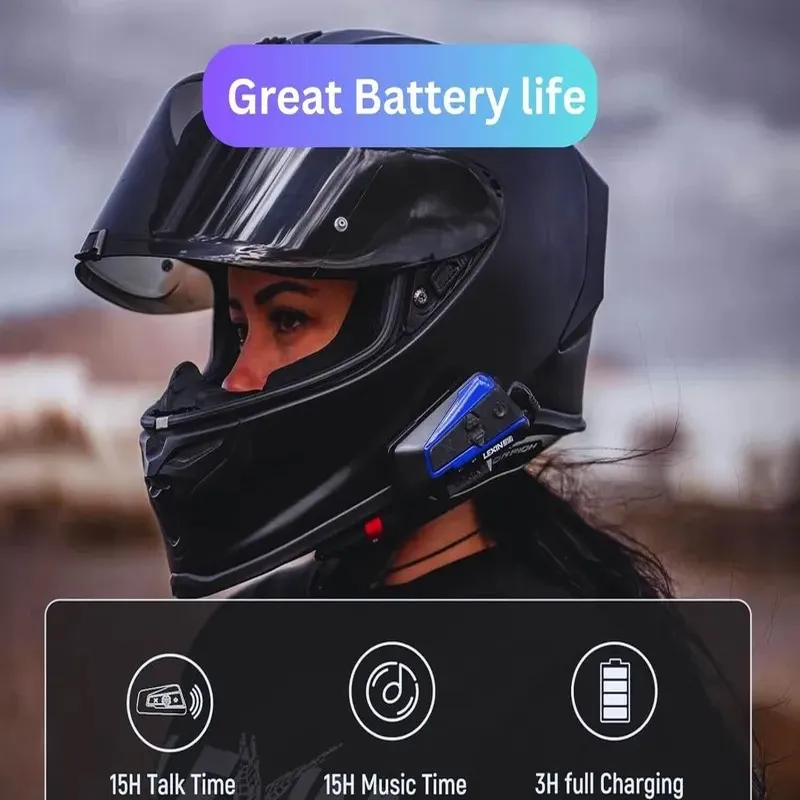
Top Features to Look for in Snowmobile Communication Devices
When picking out snowmobile communication features, I focus on a few key things. Audio quality is at the top of my list. Clear sound is vital in the noisy snow conditions we often face.
I look for intercom systems with advanced noise cancellation. This tech helps block out wind and engine sounds. It makes our conversations clearer.
Ease of use is also crucial. I like devices with large buttons that are simple to press, even with thick gloves on. This way, I can adjust settings without taking off my gloves in the cold.
Durability is a must for snowmobile communication systems. I seek out models that are waterproof and cold-resistant. They need to handle the harsh winter weather.
Long battery life is also key. Cold weather can quickly drain a battery. So, I look for devices that last longer in the cold.
- GPS integration for navigation
- Music sharing capabilities
- Voice command features
- Multi-rider connectivity
These advanced features make my snowmobiling trips better. GPS helps me navigate, and music sharing keeps us entertained on long rides. Voice commands let me use my hands for other things, and multi-rider connectivity keeps us all connected.
When checking out intercom systems, I look at their range. A good system should keep our conversations clear over hundreds of yards, even in tough terrain. This way, we can stay in touch, no matter where we are on the trails.
What is the Best Helmet to Helmet Communication System for Snowmobiles?
I’ve tested several top-rated communication systems for snowmobiles, and I’m ready to share my findings. Let’s dive into three leading options that stand out in the market.
Sena Snowtalk System
The Sena Snowtalk impresses with its crystal-clear audio quality. It boasts a range of up to 700 meters, perfect for group rides. The battery life lasts around 8 hours, holding up well in cold conditions. Its user-friendly interface makes it a favorite among snowmobile enthusiasts.
Cardo Packtalk Edge Performance
Cardo Packtalk Edge takes communication to new heights. With its Dynamic Mesh Communication technology, it offers seamless connections for up to 15 riders. The sound quality remains exceptional even at high speeds. Its weatherproof design ensures reliability in harsh winter conditions.
UClear Digital Communication Solutions
UClear systems shine with their advanced noise cancellation technology. The Amp Pro delivers crisp audio and voice clarity. Its unique Adaptive Beam Forming technology enhances the overall communication experience. The range extends up to 1.2 kilometers, ideal for expansive terrains.
| Feature | Sena Snowtalk | Cardo Packtalk Edge | UClear Amp Pro |
| Range | 700 meters | 1.6 kilometers | 1.2 kilometers |
| Battery Life | 8 hours | 13 hours | 12 hours |
| Group Size | 4 riders | 15 riders | 10 riders |
Each system offers unique strengths. Your choice depends on your specific needs, group size, and riding style. Consider factors like range, battery life, and group communication capabilities when making your decision.
Installation and Compatibility with Different Helmet Types
Choosing the right communication system for your snowmobile helmet is key. It’s important for comfort and function. Let’s look at how these systems work with different helmets.
Modular Helmet Integration
Modular helmets are great for those who like options. They make it easy to add communication devices. The flip-up chin bar lets you install speakers and microphones without harming the helmet.
Full-Face Helmet Mounting Options
Mounting full-face helmets needs some thought. Most systems use sticky mounts or clamps for a firm hold. This keeps the device in place while keeping air flowing. Some brands have special mounts for certain full-face helmets.
Universal Mounting Systems
Universal systems fit many helmet types. They use adjustable brackets or flexible pads. This means they work well with different helmet shapes and sizes.
| Helmet Type | Mounting Method | Ease of Installation |
| Modular | Internal mount | Easy |
| Full-Face | External clamp/adhesive | Moderate |
| Universal | Adjustable bracket | Varies |
When picking a communication system, think about your helmet and how you like to mount things. This will help you get the best performance and comfort on your snowmobile rides.
Audio Quality and Noise Cancellation Technology
Clear communication is key when riding snowmobiles. The sound of engines and wind can make it hard to hear others. That’s why good audio quality and noise cancellation are important in modern systems.
Top systems use smart algorithms to block out background noise. They focus on your voice, making conversations clear even in tough conditions. Some brands use several microphones to get sound from all sides, making it even clearer.
Speaker quality is also crucial. High-quality speakers send clear sound right into your helmet. This is vital for hearing important messages or warnings from other riders.
Where the microphone is placed matters a lot. It should be near your mouth but protected from wind. Some systems have flexible boom mics, while others fit the mic right into the helmet.
- Advanced noise cancellation algorithms
- Multiple microphone arrays
- High-quality speakers
- Strategic microphone placement
These features together offer top-notch audio quality for snowmobiles. You can enjoy the ride without worrying about hearing your friends.
Group Communication Capabilities and Range Testing
For snowmobile riders, group communication is key. I’ve tested many systems to find the best for connecting multiple riders. The latest tech offers great range and clarity, even in tough snow conditions.
Multi-Rider Connection Features
Modern systems let many riders talk at once. Some top models support up to 16 users. This is great for big group rides, keeping everyone connected.
Maximum Distance Coverage
Range varies a lot between systems. The best ones work up to 1 mile in open areas. But, mountains or dense forests can cut this range down a lot.
| Terrain Type | Average Range | Max Range |
| Open Plains | 0.8 miles | 1.2 miles |
| Forested Areas | 0.5 miles | 0.7 miles |
| Mountainous Regions | 0.3 miles | 0.5 miles |
Mesh Network Benefits
Mesh network tech is a big deal for snowmobile talk. It makes a network of connections between riders. This boosts range and reliability. If one rider gets out of range, the network finds a new path to keep everyone talking.
This tech is super useful for safety and teamwork on long rides. Mesh networks work best in areas with changing terrain, where other systems often don’t.
Weather Resistance and Durability Standards
When picking a snowmobile communication system, I look at weather resistance and durability. These are key for working well in harsh winter weather. The system must handle snow, ice, and extreme cold.
IP ratings are important for checking how well a device is protected. For snowmobiling, I seek systems with at least an IP67 rating. This means they’re safe from dust and can handle being underwater for 30 minutes at 1 meter. Some top systems even have IP68 ratings for even more protection.
It’s also vital that the system works well in cold. The best ones keep going in temperatures as low as -40°F (-40°C). They have features like:
- Frost-resistant speakers
- Cold-tolerant batteries
- Ice-repelling microphones
Being able to withstand impacts is also crucial. Snowmobile communication devices need to be shock-resistant. They should have strong casings and parts to protect against drops and shakes.
When checking out weather-resistant systems, I also think about:
- UV-resistant materials to stop sun damage
- Corrosion-resistant connectors for longer life
- Fog-resistant visors for clear sight
By focusing on these durability standards, I make sure my communication system works all season.
Price Comparison and Value Analysis
Snowmobile communication system prices vary a lot. They offer something for every budget and need. I’ve looked into the market to help you choose wisely based on your needs and budget.
Entry-Level Options
For beginners or those on a budget, entry-level options are great. They cost between $100 and $300. They have basic features like talking to other riders and Bluetooth.
Premium Systems Investment
Premium systems have more features and are built better. They cost between $300 and $700. They offer a longer range, clear sound, and can connect with many riders. They might cost more, but they’re worth it for frequent riders or those exploring tough terrains.
Long-Term Cost Benefits
Choosing a good snowmobile communication system can save you money in the long run. High-end models usually last longer, need less charging, and get updates. They also hold their value better.
- Improved durability, reducing replacement frequency
- Better battery life, minimizing charging needs
- Software updates, extending device lifespan
- Higher resale value
When picking a system, think about how often you ride, how many are in your group, and the terrain. Finding the right balance between upfront cost and long-term savings is key to getting the best value.
User Interface and Control Mechanisms
Snowmobile communication systems have different control options to make riding better. I’ll look at what makes these systems easy to use and effective in cold weather.
Voice Command Features
Voice commands let you control your system without using your hands. This is key for staying safe while you’re on the move. The systems use special tech to hear your voice even when it’s windy.
You can change the volume, make calls, or switch channels without touching the handlebars. This keeps your hands free and your focus on the ride.
Button Control Layout
Button controls are made for use with gloves. They’re big and easy to press, placed where you can reach them quickly. Some common setups include:
- Jog dials for volume adjustment
- Raised buttons for channel selection
- Centralized multi-function buttons for power and pairing
Smartphone Integration
Smartphone integration adds more to what you can do with your system. Many systems come with apps that let you:
- Sync GPS navigation
- Control music streaming
- Customize intercom settings
These features make your ride better by keeping you connected and informed.
| Feature | Benefit |
| Voice Commands | Hands-free operation for improved safety |
| Button Controls | Easy manipulation with gloves |
| Smartphone Integration | Extended functionality and connectivity |
Safety Considerations and Emergency Features
Safety is key when snowmobiling. Modern communication systems have vital features that help in emergencies. Clear talk within a group can prevent accidents and keep everyone together in tough terrain.
Emergency communication is a big plus for snowmobile fans. Top systems now have SOS signals, GPS tracking, and crash detection. These can be lifesavers in places where phones don’t work well.
Let’s explore some key emergency features in snowmobile communication systems:
- SOS Signaling: Allows riders to send distress signals to emergency services
- GPS Tracking: Enables precise location sharing with rescue teams
- Crash Detection: Automatically alerts contacts if a fall or collision is detected
- Group Communication: Keeps all riders connected for enhanced safety
While these features are great, they have limits. In very remote places, even the best systems might not work well. That’s why I always carry extra communication tools and tell others where I’m going.
| Safety Feature | Benefit | Limitation |
| SOS Signaling | Quick alert to emergency services | Requires satellite connection |
| GPS Tracking | Precise location for rescuers | Battery drain in cold weather |
| Crash Detection | Automatic alerts if rider is incapacitated | May trigger false alarms |
| Group Communication | Constant contact with riding partners | Limited range in some terrains |
Conclusion
I’ve looked into snowmobile communication systems, focusing on helmet-to-helmet options. The best system balances performance, features, and price. Sena, Cardo, and UClear are top choices, each with its own strengths.
When picking a system, consider Bluetooth tech, range, battery life, and weather resistance. It should work well in cold, offer clear sound, and connect riders. It must also be durable and easy to use.
After reviewing, I think the Cardo Packtalk Edge is the best for snowmobiles. It has great range, clear audio, and strong features. But, your choice should fit your needs and budget.
Choosing the right system can make snowmobiling safer and more fun. Pick carefully, and enjoy your rides with clear, reliable communication.
FAQ
What is the best helmet-to-helmet communication system for snowmobiles?
I found the Cardo Packtalk Edge to be the top choice. It has great audio, long range, and cool features like mesh networking. But, the Sena Snowtalk and UClear systems are also great, depending on what you need and your budget.
How does cold weather affect communication system battery life?
Cold weather really cuts down on battery life. Even top systems see a 20-30% drop in extreme cold. Carry a portable charger and keep the device close to your body for warmth.
What range can I expect from a snowmobile communication system?
Range depends on the system and where you ride. Bluetooth systems usually reach 0.5 to 1 mile. Mesh systems can go up to 5 miles, but trees, hills, and weather can cut down the range.
Are these communication systems compatible with all helmet types?
Most systems fit many helmet types, including modular and full-face. But, always check if your helmet fits the system. Some might need extra adapters.
How effective is noise cancellation in snowmobile communication systems?
Today’s systems have advanced noise cancellation. They work well against wind and engine noise. The Cardo Packtalk Edge and Sena Snowtalk adjust in real-time for clear audio at high speeds.
Can these systems connect to my smartphone for music or GPS?
Yes, most systems connect to smartphones via Bluetooth. You can listen to music, get GPS directions, and make calls. Some even let you control everything with your voice.
Are there any emergency features in these communication systems?
Many systems have SOS signals and GPS tracking. Some even detect crashes automatically. But, these might not work well in areas with no cell service.
How do I choose between Bluetooth and Mesh network systems?
Bluetooth is good for small groups or pairs. But, Mesh systems are better for large groups or long range. Mesh systems are pricier but offer more stable connections.
What’s the average lifespan of a snowmobile communication system?
With care, a good system can last 3-5 years or more. Lifespan depends on use, extreme conditions, and quality. Premium brands often last longer and come with warranties.
Can I use these systems for other activities like motorcycling or skiing?
Many systems work for other activities too. But, check the features and durability for your needs. Some might need extra accessories or adapters.