
Can I Wear Glasses with a Snowmobile Helmet?
As a winter sports fan, I’ve faced the challenge of wearing glasses with safety gear. Many riders wonder if they can wear glasses with a snowmobile helmet. Good vision is key when riding through snowy trails, making compatible eyewear important for safety.
Snowmobile helmets protect riders from impacts and harsh weather. But for those who need corrective lenses, finding a helmet that fits glasses can be hard. Luckily, many helmets now have features for glasses wearers, improving comfort and safety.
In this article, we’ll dive into wearing glasses with snowmobile helmets. We’ll discuss the challenges, solutions, and best practices. This way, you can enjoy clear vision and stay safe on your winter rides.
Key Takeaways
- Wearing glasses with a snowmobile helmet is possible with the right equipment
- Modern helmet designs often include features for eyewear compatibility
- Clear vision is essential for safe snowmobiling
- Proper fit and comfort are crucial when combining glasses and helmets
- Several solutions exist for glasses wearers in winter sports
Understanding the Compatibility Between Glasses and Snowmobile Helmets
Snowmobiling with glasses can be tricky. Helmet-glasses compatibility is key for a safe and fun ride. Let’s look at the challenges, helmet types, and safety standards you need to know.
Common Challenges for Glasses Wearers
Wearing glasses under a snowmobile helmet isn’t always easy. I’ve faced:
- Foggy lenses obscuring vision
- Pressure points causing discomfort
- Limited peripheral view
These problems can make riding less fun and risky.
Types of Snowmobile Helmets Available
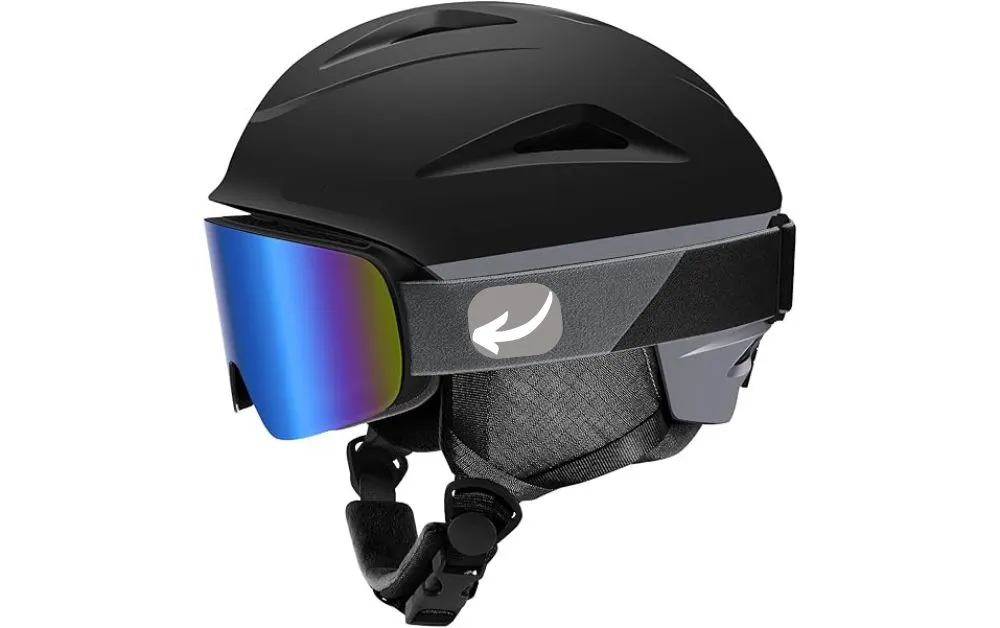
Snowmobile helmet types vary, each with different glasses compatibility:
- Full-face helmets: Provide maximum protection but can be tight for glasses
- Modular helmets: Offer flexibility with a flip-up visor
- Open-face helmets: Easiest for glasses but less protective
Choosing the right type is crucial for comfort and safety.
Basic Requirements for Helmet Safety
All snowmobile helmets must meet specific safety standards. Look for helmets certified by DOT or Snell. These certifications ensure the helmet provides adequate protection in case of impact. Remember, a helmet that accommodates your glasses shouldn’t compromise on these essential safety features.
Can I Wear Glasses with a Snowmobile Helmet?
Yes, you can wear glasses with a snowmobile helmet. Many riders need vision correction and face this challenge. But, there are solutions. Glasses-friendly helmets are made to fit eyewear comfortably and safely.
Finding the right helmet fit is key. Look for helmets with extra space around the temples and ears. Some brands offer helmets with cutouts for glasses arms.
Here’s what to consider when wearing glasses under your helmet:
- Comfort: Ensure your glasses don’t press against your face or cause pain
- Fog prevention: Choose a helmet with good ventilation to reduce lens fogging
- Safety: Your glasses shouldn’t compromise the helmet’s protective abilities
Not all helmets work well with glasses. Try on different models to find the best fit. Some riders choose contact lenses or prescription goggles as alternatives.
With the right gear and fit, you can enjoy clear vision and stay safe on your snowmobile. Don’t let glasses stop you from hitting the trails!
Features to Look for in Glasses-Friendly Snowmobile Helmets
When picking a snowmobile helmet for glasses, I look at three main things. These features are key for comfort and safety for those who wear eyewear.
Eyeport Size and Design
The eyeport design is vital for glasses wearers. A bigger eyeport means more room for frames and lenses. I seek helmets with wide, tall openings that don’t rub against my glasses. Some brands make helmets that fit eyewear well.
Internal Padding Configuration
Good padding for glasses is crucial for a snug fit. I like helmets with removable cheek pads and liners. This lets me adjust the padding around my temples and ears. It makes space for my glasses without losing safety.
Ventilation Systems
Anti-fog ventilation is a must. It stops glasses from fogging up in cold weather. I check for helmets with vents near the eyes. These vents help manage moisture and keep my vision clear.
| Feature | Benefit for Glasses Wearers |
| Large Eyeport | Accommodates frames without pressure |
| Adjustable Padding | Creates custom fit for glasses |
| Anti-fog Vents | Prevents lens fogging |
By focusing on these features, I make sure my snowmobile helmet fits my glasses well. This keeps me safe and comfortable on the trails.
Best Practices for Wearing Glasses Under Your Helmet
Wearing glasses with a snowmobile helmet can be tricky, but I’ve found some effective ways to make it work. The key is proper glasses positioning in the helmet. I always place my glasses on before putting on my helmet, ensuring they sit comfortably on my nose and ears.
To prevent glasses fogging, I use anti-fog spray on my lenses. I also make sure my helmet’s ventilation system is working properly. Good airflow helps keep my glasses clear and my vision sharp while riding.
For a secure glasses fit, I use adjustable straps that attach to my glasses’ arms. These straps hold my glasses in place, even during bumpy rides. Some helmets come with built-in channels for glasses arms, which I find incredibly helpful.
- Position glasses before putting on helmet
- Use anti-fog spray on lenses
- Ensure proper helmet ventilation
- Use adjustable straps for glasses
- Look for helmets with built-in glasses channels
By following these practices, I’ve significantly improved my snowmobiling experience with glasses. It takes a bit of practice, but soon it becomes second nature. Remember, comfort and safety go hand in hand when snowmobiling with glasses.
Special Considerations for Different Types of Eyewear
Choosing the right eyewear for snowmobiling is key. We’ll look at how different types fit with helmets and what you need to know.
Prescription Glasses
Prescription glasses for snowmobiling need careful thought. Choose frames that are slim and flexible for a good fit under your helmet. Make sure they have impact-resistant lenses for safety. Some helmets have special channels for glasses arms, which is great for those who wear glasses.
Sunglasses
Snowmobile sunglasses protect your eyes from glare and UV rays. Go for wraparound styles that cover your eyes fully and fit under your helmet well. Polarized lenses help cut down glare from snow and ice, making it safer to ride.
Sport Optical Eyewear
Sport optical solutions are the best of both worlds. They fit under helmets and offer clear vision and protection. Many come with interchangeable lenses for different light conditions.
| Eyewear Type | Key Features | Best For |
| Prescription Glasses | Slim frames, impact-resistant lenses | Regular glasses wearers |
| Snowmobile Sunglasses | Wraparound style, polarized lenses | Bright, sunny conditions |
| Sport Optical Solutions | Helmet-compatible, interchangeable lenses | All-around use, varying conditions |
Make sure your eyewear fits well with your helmet and gives you clear vision. This way, you can enjoy snowmobiling safely and comfortably.
Alternative Solutions for Vision Correction While Snowmobiling
If you have trouble with glasses under helmets, don’t worry. There are many ways to see clearly while snowmobiling. These options can make your rides safer and more comfortable.
Contact Lenses
Contact lenses are a great choice for snowmobilers. They let you see clearly without glasses fogging up or moving. Daily disposables help avoid eye irritation in cold, dry air.
Don’t forget to carry eye drops. They help fight dryness from wind and cold.
Prescription Helmet Inserts
Prescription helmet inserts are a big improvement. They fit inside your helmet for clear vision without glasses. They work with most helmets and resist fog well.
I find them especially useful for long rides in different weather.
Built-in Optical Solutions
Integrated optical systems are the newest in helmet tech. These helmets have built-in lenses or visors for your prescription. This tech is still new but promises great safety and vision.
I’m looking forward to seeing how it improves in the future.
| Solution | Pros | Cons |
| Contact Lenses | Unobstructed vision, compatible with all helmets | Potential for dryness, requires careful handling |
| Prescription Inserts | Custom fit, fog-resistant | Initial cost, may need helmet-specific designs |
| Integrated Systems | All-in-one solution, cutting-edge technology | Limited availability, potentially higher cost |
Maintenance Tips for Helmet and Glasses Combination
Keeping your snowmobile helmet and glasses in top shape is key for a safe and fun ride. Regular maintenance extends their life and keeps your vision clear on the trails.
To clean snowmobile helmet visors, I use a gentle soap solution and a soft microfiber cloth. This method removes dirt without scratching. For glasses, I clean the lenses with a safe solution and store them in a protective case when not in use.
Anti-fog treatments are essential for clear vision. I apply them to both my helmet visor and glasses before each ride. Here’s my routine:
- Clean the surfaces thoroughly
- Apply anti-fog solution evenly
- Let it dry completely
- Buff gently with a clean cloth
Regular inspections are crucial. I check for cracks, loose parts, or worn padding in my helmet. For glasses, I look for scratches or bent frames that might affect fit or vision. By following these steps, I make sure my gear is always ready for the next snowmobile adventure.
Safety Considerations and Legal Requirements
Understanding safety and legal rules is key for snowmobiling. Helmet laws change by state. It’s vital to know the local rules. Let’s look at the main safety and legal points for snowmobile riders.
State Regulations
Helmet laws for snowmobiling vary by state. Some states require helmets for everyone, while others only for certain ages. Always check your state’s rules before you go.
Safety Standards
Helmet safety standards are important. Look for helmets that meet DOT or Snell standards. These standards mean the helmet has passed tough safety tests.
| Certification | Description | Recommended Use |
| DOT | Meets minimum safety standards | General snowmobiling |
| Snell | Exceeds DOT standards | High-speed or competitive riding |
| ECE | European safety standard | International riders |
Insurance Implications
Insurance for snowmobiling often requires safety gear. Wearing a certified helmet can impact your coverage. Some insurers give discounts for approved safety gear. Always check with your provider about snowmobiling insurance to stay protected.
Conclusion
I’ve looked into safe snowmobiling with glasses, and it’s all about finding the right balance. The right helmet is crucial for those who wear glasses. There are helmets made just for this, and other options too.
Comfort and safety are both important when you’re out on the snowy trails. You can choose a helmet that’s good for glasses or look at other ways to correct your vision. The main thing is to see clearly and stay safe.
When you’re getting ready for your next snowmobile trip, think about what you need. Make sure your eyes are protected and you can see well. With the right gear, snowmobiling with glasses can be safe and fun.
FAQ
Can I wear my regular glasses under a snowmobile helmet?
Yes, you can wear regular glasses under most snowmobile helmets. Just make sure the helmet has enough space for your eyes. Also, check that the padding inside fits your glasses well for safety.
How do I prevent my glasses from fogging up inside the helmet?
To stop fogging, look for helmets with good air flow. Use anti-fog sprays or wipes on your lenses. Also, make sure your face shield seals well against your helmet to keep moisture out.
Are there special snowmobile helmets designed for glasses wearers?
Yes, some helmets are made for people who wear glasses. They have bigger eye ports, adjustable padding, and better air flow. This makes them more comfortable for glasses wearers.
What types of glasses are best suited for wearing under a snowmobile helmet?
Thin, flexible frames and impact-resistant lenses are best. Sports optical eyewear made for winter sports is also a good choice. It’s designed to fit under helmets.
Can I use prescription inserts in my snowmobile helmet instead of wearing glasses?
Yes, prescription inserts are a great alternative. They clip into your helmet’s visor or goggles. This way, you get clear vision without wearing separate glasses.
Are there any safety concerns with wearing glasses under a snowmobile helmet?
The main safety worries are that your glasses don’t reduce the helmet’s protection. Also, they shouldn’t block your view. Make sure your glasses fit well and don’t cause pressure or gaps in the helmet.
How often should I clean my glasses and helmet visor when snowmobiling?
Clean your glasses and visor before each ride and as needed. This keeps your vision clear and removes moisture or debris that could be dangerous.
Are there any legal requirements for wearing glasses while snowmobiling?
Laws about glasses vary by state. If you need glasses to drive, you might need them for snowmobiling too. Always check your local laws to follow them.
Can I wear sunglasses under my snowmobile helmet?
Yes, you can wear sunglasses under most helmets. Just make sure they fit well and don’t get in the way of the helmet’s safety features. Wraparound styles are good for blocking glare and wind.
What should I do if my glasses don’t fit comfortably under my current helmet?
If your glasses don’t fit, try a different helmet style. Look for one with a bigger eye port or adjustable padding. Or, consider prescription inserts, contact lenses, or sports eyewear made for helmets.